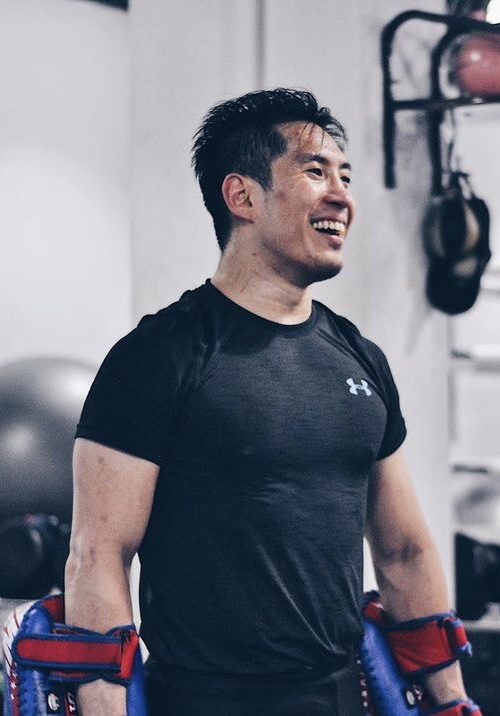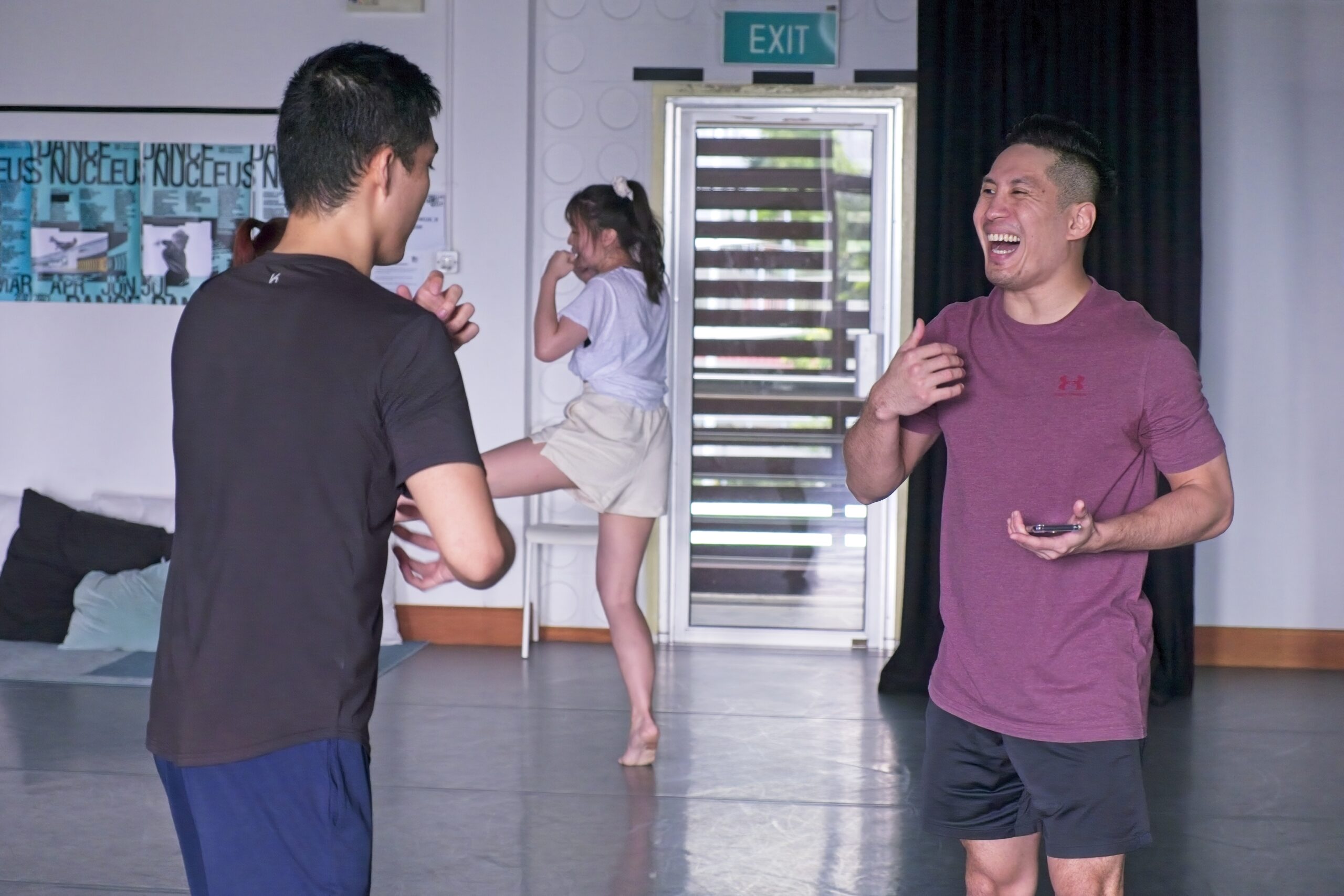
Training in martial arts is not just about showing up and sweating. For Muay Thai, boxing, no-gi grappling, MMA, and strength and conditioning, the way you train can make a big difference in how quickly you improve, how well you recover, and how long you stay consistent.
That is why many martial artists benefit from a combination of group classes, personal training, and semi-private sessions rather than relying on just one format.
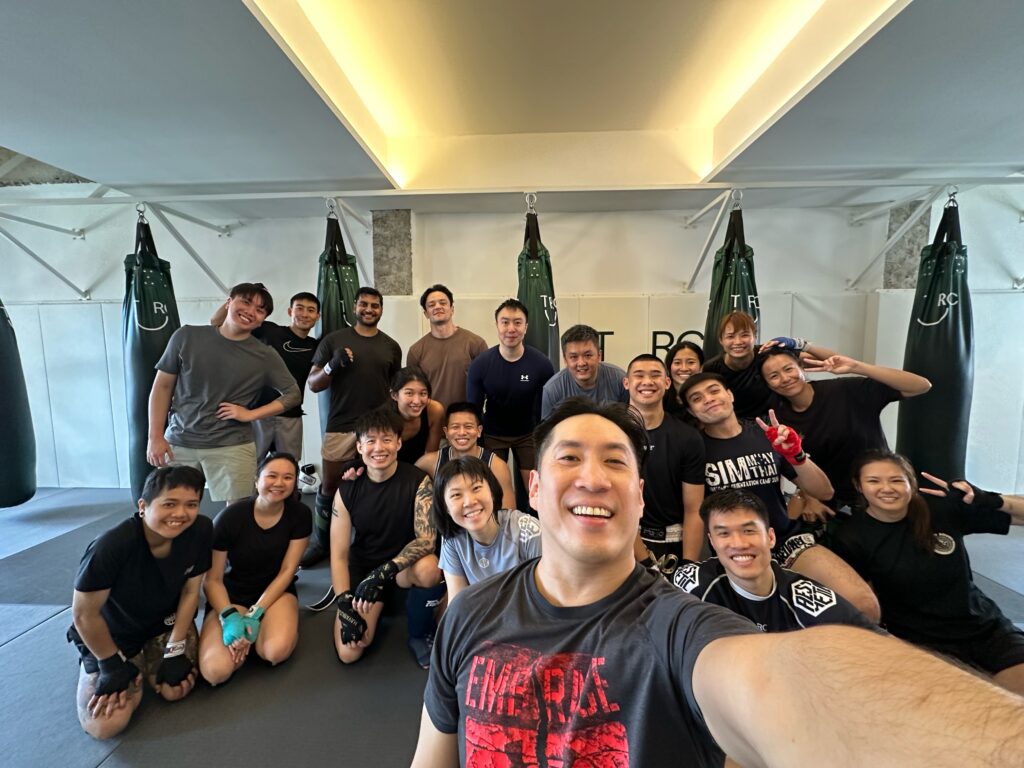
Group Classes Build Volume, Timing, and Confidence
Group classes are the backbone of most martial arts programs. They are ideal for building consistency, sharpening fundamentals, and getting lots of repetitions in a lively training environment.
For Muay Thai and boxing, group classes help you develop:
- Pad work rhythm.
- Footwork and movement.
- Combinations, defense, and conditioning.
- Sparring experience and partner awareness.
For no-gi and MMA, group classes help you learn:
- Positional awareness.
- Drilling patterns.
- Live rounds with different partners.
- The ability to perform under pressure.
Group classes are also usually more affordable, which makes them a strong choice for regular weekly training. The trade-off is that the coach has less time to correct every detail, so progress can be slower if you need more individual attention.
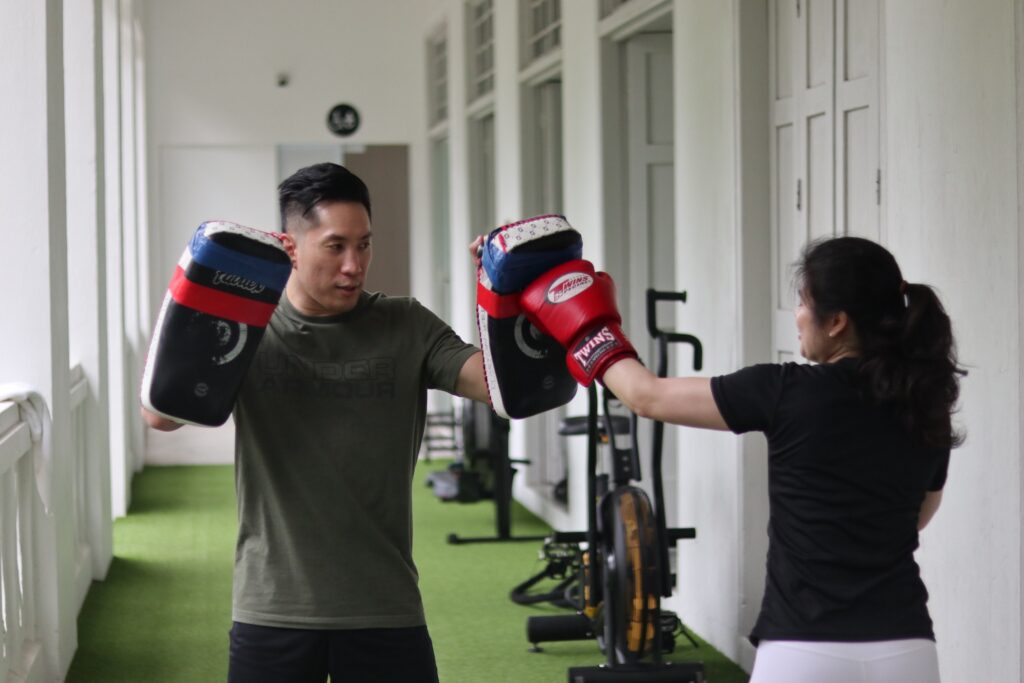
Personal Training Speeds Up Technical Progress
Personal training is the most focused option. It gives you full coaching attention, which is especially useful if you want to improve faster, fix habits, or work toward a specific goal.
Key benefits:
- Fully tailored sessions based on your goals (fitness, competition, weight loss, etc.).
- Immediate feedback and technical correction.
- Faster skill progression due to focused attention.
- Flexible pacing based on your ability and learning speed.
This format is ideal if you:
- Want to accelerate your progress.
- Have specific goals (e.g. first fight, weight cut, technique refinement).
- Prefer privacy or a more controlled learning environment.
The main limitation is cost and reduced training volume compared to group classes. You also miss out on the variety of training partners unless combined with other formats.
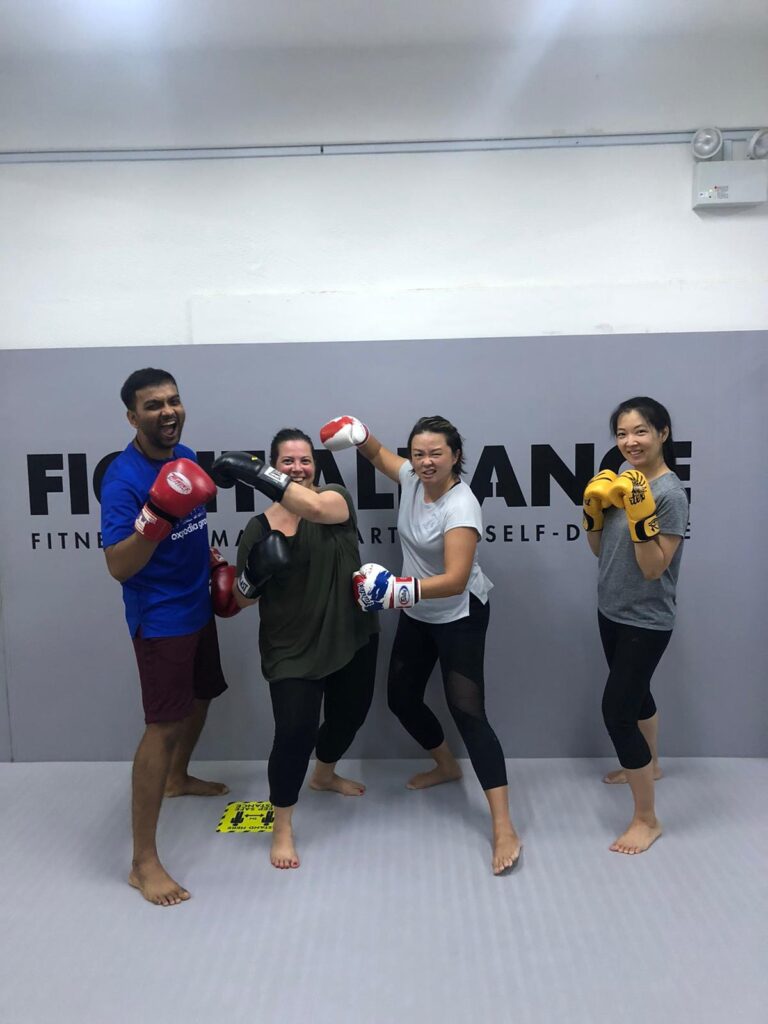
Semi-Private Training: The Best of Both Worlds
Semi-private sessions (usually 2–4 people) sit between group classes and personal training. You still get more personal attention than in a large group, but the cost is usually lower than one-to-one training.
Key benefits:
- More individualized coaching than group classes.
- Lower cost than 1-on-1 personal training.
- Small group dynamic with focused attention.
- Ability to train with friends or like-minded partners.
This format works well for:
- Beginners who want more guidance before joining full classes.
- Intermediate athletes who want sport-specific development.
- Small groups with similar skill levels or goals.
- Busy professionals who want efficient, high-quality sessions.
For martial arts, semi-private sessions can be especially effective because the format allows for better correction, more drilling, and more individualized progress while still keeping the energy of partner-based training. That makes it a great fit for Muay Thai, boxing, no-gi, and MMA athletes who want structured progression without losing the benefits of training with others.
Why A Combination Works Best
The best results usually come from combining two or more training formats. Each one plays a different role in your development.
Here’s how they complement each other:
- Group classes build volume and conditioning. You get repetition, sparring exposure, and the ability to apply techniques under pressure.
- Personal training sharpens technique. You fix mistakes quickly and develop a deeper understanding of movement and strategy.
- Semi-private sessions reinforce both. They bridge the gap by allowing focused coaching while still training with others.
- Strength and conditioning for power, endurance, injury prevention, and athletic performance.
For example:
- A beginner might start with semi-private sessions to build confidence, then transition into group classes.
- An intermediate student might attend group classes regularly but add weekly personal training to break through plateaus.
- A busy professional might combine semi-private sessions with occasional group classes for flexibility and consistency.
Which Training Mix Fits You
If your goal is general fitness and consistency, group classes plus occasional semi-private/personal training sessions can be a great fit.
If your goal is faster improvement in Muay Thai, boxing, no-gi, or MMA, combine group classes with personal training so you can train volume while still fixing details quickly.
If your goal is performance, competition, or a more complete athletic base, add strength and conditioning into the mix so your body can handle harder training and recover better.
Final Thoughts
There’s no single “best” option—only what works best for you. But if you want to train smarter (not just harder), combining different formats gives you a clear edge.
You get the intensity of group training, the precision of personal coaching, and the balance of semi-private sessions—all working together to accelerate your progress in martial arts.
Book a consultation or trial session here today—available in-person in Singapore or via flexible online coaching to fit your busy schedule. Alternatively, DM me on Instagram Roystonweemma or Tiktok Roystonweemma now to discuss your goals and find the right program for you.
I’ve been training with Royston for Muay Thai and strength & conditioning, and it’s been a great experience. His coaching is technical and easy to follow by simplifying movements, so that I can improve quickly. Everything is structured, and I can see progress weekly. Before starting S&C with Royston, I had chronic shoulder dislocations alongside persistent wrist and neck injuries that held me back for a long time. Since working with him, those issues have improved tremendously, and my range of motion has increased, and the nagging pains and aches are largely gone.
The biggest difference is the freedom to push myself without hesitation. I no longer worry about dislocating my shoulder while throwing punches, which means I can fully focus on technical skill development in my Muay Thai training rather than managing my injuries. I move better, feel stronger in daily life, and it’s all come through consistent training with Royston.
When I first started Muay Thai, I came in as a complete beginner simply looking to try something new. What kept me coming back was Royston’s coaching approach — he prioritises proper technique and genuine understanding of the discipline over generic fitness workouts. I never expected to progress the way I have, but under his guidance, I did. What surprised me most was that the benefits extended far beyond the physical. His coaching has sharpened my focus, my mental resilience, and improved how I respond under pressure — both in and out of the gym. If you’re looking for a coach who takes your development seriously, I can’t recommend Royston enough.
– Rebakah Lee, Designer/Lecturer

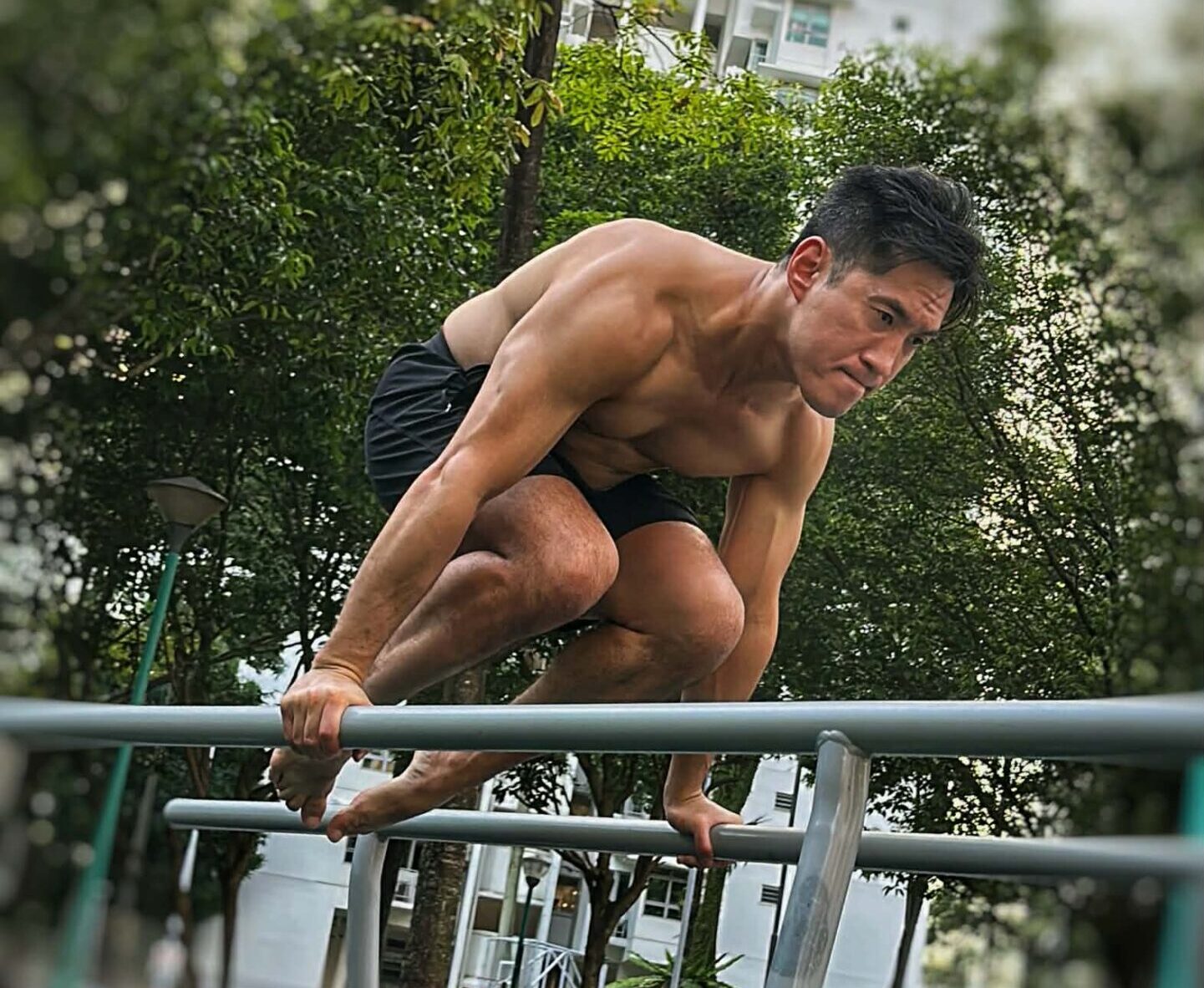
When I first started strength and conditioning, everything revolved around performance.
As an athlete training in Boxing, Muay Thai, Wrestling, Nogi and MMA, my goal was simple: get stronger, faster, and more explosive. Every session was designed to improve how I performed in the cage, harder punches, better endurance, and sharper movement.
Today, my approach to strength and conditioning has completely evolved.
Not because the fundamentals changed, but because my goals and the goals of the people I train are different.
Back Then: Performance-Driven UFC Conditioning
Back then, my training focused on very specific outcomes:
- Explosive power for striking and takedowns
- Conditioning for long, intense rounds
- Speed, agility, and reaction time
- Weight management for competition
Sessions were intense, often pushing the limits. Recovery wasn’t always prioritised, and everything was geared toward competition readiness.
For example, a typical session might include heavy compound lifts, sprint intervals, pad work, and conditioning circuits — all in one go.
It worked, but it was also demanding and not sustainable for most people outside of competitive sports.
Now: Sustainability, Longevity, and Lifestyle
Today, strength and conditioning means something very different — especially for my clients.
Most people I work with are not fighters. They’re busy professionals, business owners, or individuals trying to stay fit, strong, and pain-free.
Their goals are more aligned with:
- Building strength without injuries
- Improving energy levels for daily life
- Reducing body fat and building lean muscle
- Staying consistent despite a busy schedule
- Moving better and feeling better
The training approach has shifted from “maximum performance at all costs” to “maximum results with sustainability.”
The Biggest Shift: Individualisation
One of the biggest lessons I’ve learned over the years is that there is no one-size-fits-all program.
What worked for me as a competitive athlete doesn’t automatically work for someone who:
- Sits at a desk 8–10 hours a day
- Has past injuries or tightness
- Is just starting their fitness journey
- Needs structure, accountability, and guidance
That’s why personal training today is more customised than ever.
Every program I design considers:
- Your current fitness level
- Your lifestyle and schedule
- Your injury history
- Your specific goals
Smarter Training, Not Just Harder Training
A common misconception is that results only come from pushing harder.
In reality, smarter training delivers better long-term results.
That means:
- Proper exercise selection and progression
- Balancing strength, conditioning, and mobility
- Managing fatigue and recovery
- Building consistency over time
For example, instead of doing random high-intensity workouts every session, a structured program might alternate between strength days, conditioning days, and recovery-focused sessions.
This approach helps you improve without burning out.
Why This Matters for You
If you’ve ever felt like:
- You’re training hard but not seeing results
- You’re constantly tired or dealing with aches and pains
- You don’t know what program actually works for you
Then the issue is not your effort — it’s your approach.
And that’s where the right coaching makes a difference.
Work With Me
With over 19 years of experience in martial arts and fitness, I’ve gone through both ends of the spectrum — from athlete-level conditioning to sustainable, results-driven training for everyday individuals.
My personal training programs are designed to help you:
- Build strength safely and effectively
- Improve fitness without unnecessary strain
- Stay consistent even with a busy lifestyle
- Achieve real, long-term results
If you’re ready to train with a clear plan and purpose, I can help.
Book a consultation or trial session here today—available in-person in Singapore or via flexible online coaching to fit your busy schedule. Alternatively, DM me on Instagram Roystonweemma or Tiktok Roystonweemma now to discuss your goals and find the right program for you.

Good vs Bad Clients for Personal Training: What Every Coach Should Know
In the world of personal training, not all clients are created equal. Some make every session inspiring and productive—others, unfortunately, create more challenges than results. As a coach, understanding the difference between good and bad clients can save you time, preserve your energy, and strengthen your reputation.
What Makes a Good Personal Training Client?
A great client isn’t necessarily the strongest, most athletic, or most committed from day one. Instead, they share a few key traits that make the training relationship successful and enjoyable for both sides.
- Consistency and reliability. They show up for sessions on time and follow through with homework.
- Coachability. Good clients listen, apply feedback, and trust your process instead of trying to reinvent it mid-session.
- Open communication. They share relevant details—like injuries, stress, or sleep issues—so you can safely adjust their program.
- Positive attitude. They bring energy and patience, even when training gets tough, knowing progress takes effort and time.
- Respect for boundaries. They treat your expertise, time, and business policies with respect, enhancing the professional partnership.
In short, good clients make coaching fulfilling. They understand that results come from teamwork—a mix of your knowledge and their consistent effort.
Common Traits of Bad Personal Training Clients
Every coach encounters clients who drain motivation or derail sessions. Recognising the signs early helps you manage expectations—or decide when it’s time to part ways.
- Chronic lateness or cancellations. Repeated no-shows and last-minute changes suggest low commitment.
- Excuse makers. They constantly justify why they can’t train, eat well, or progress, deflecting responsibility.
- Know-it-alls. Bad clients often dismiss your expertise or argue with instructions, making collaboration impossible.
- Unrealistic expectations. They want instant results without adjusting lifestyle habits.
- Negative mindset. Constant complaining, lack of effort, or emotional resistance can spread discouragement fast.
- Price hagglers and package abusers. Some clients repeatedly ask for discounts, expect free sessions, or demand that their package never expire. This shows a lack of respect for your time, expertise, and business. Clear payment policies protect your value and ensure mutual respect from the start.
While empathy is vital, patterns of disrespect or noncompliance rarely change without a clear conversation and firm boundaries.
How Coaches Can Set the Tone
The best way to attract and retain “good” clients is to set expectations early. That means a clear onboarding process covering attendance policies, communication methods, and training goals. Include written agreements or terms of service so that everyone knows what success looks like from day one.
Coaches should also remember that bad clients aren’t always bad people—sometimes they simply lack structure, awareness, or confidence. Strong coaching includes education and accountability, but also the discernment to know when your energy is better spent elsewhere.
Why This Matters for Your Business
Attracting aligned clients doesn’t just make your job easier—it protects your business reputation and income stability. When you train people who are motivated, respectful, and consistent, they get results, refer others, and become long-term brand ambassadors. That’s the foundation of a sustainable personal training business.
Ready to Level Up?
If you’re a client looking to start your fitness journey with a professional coach who values real results and accountability? Or if you’re fellow coaches who want to sharpen your coaching, communication, or client management skills? Book a consultation or trial session here today—available in-person in Singapore or via flexible online coaching to fit your busy schedule. Alternatively, DM me on Instagram Roystonweemma or Tiktok Roystonweemma now to discuss your goals and find the right program for you.
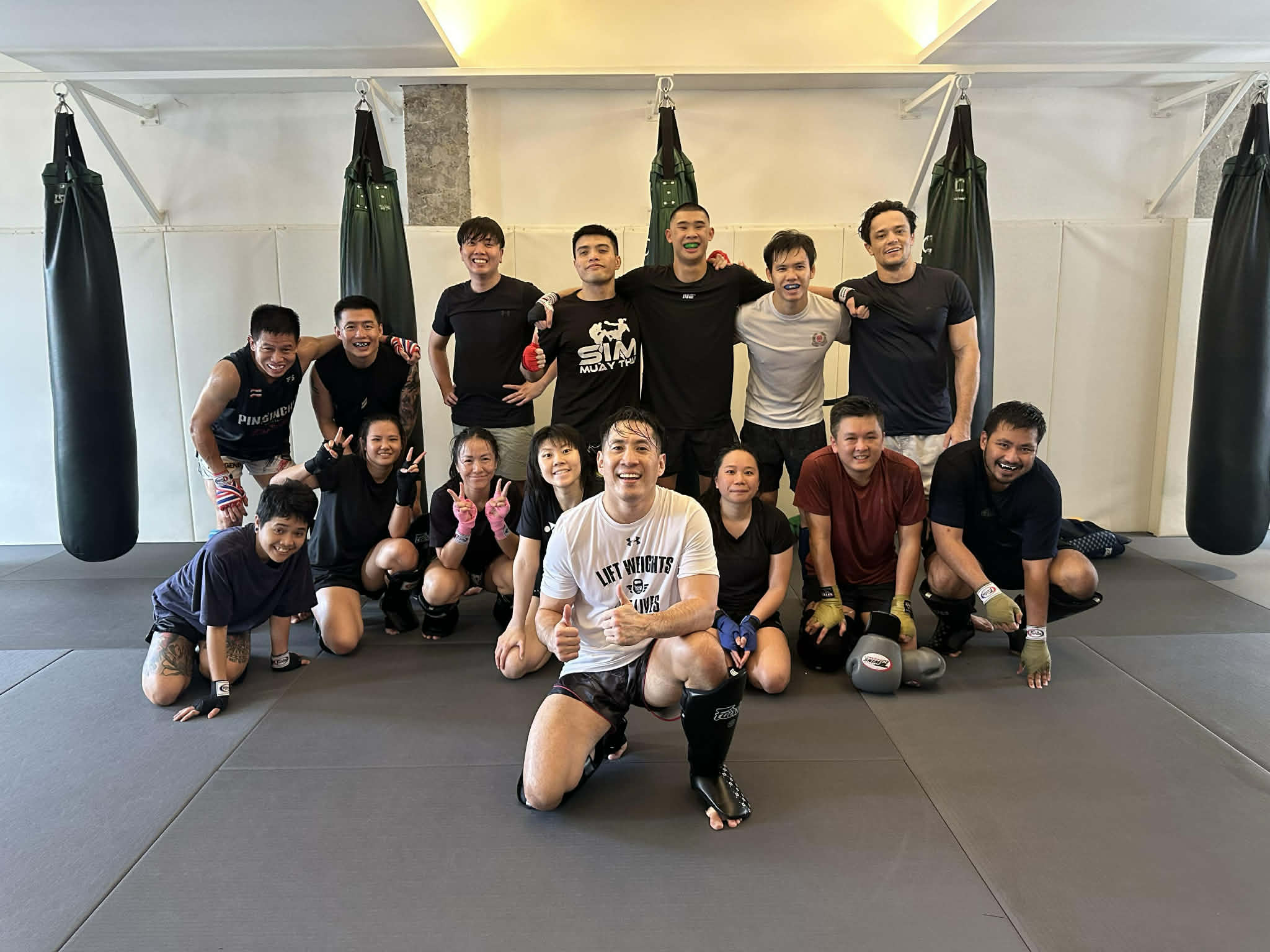
Choosing the right coach is crucial for safe progress in personal training, strength and conditioning, or Muay Thai. Good coaches prioritise your goals, safety, and long-term development, while bad ones risk injury or stall your gains.
Traits of Great Coaches
Elite coaches prioritise safe, progressive skill-building for all levels. They stress fundamentals, adapt programs, and build trust through results.
Effective coaches demonstrate expertise through ongoing education and real-world experience. They break down techniques clearly, adapt to your fitness level, and monitor form to prevent injuries.
Passionate coaches build relationships, communicate patiently, and track progress with personalised plans. In Muay Thai, look for those emphasising fundamentals like footwork over flashy moves, with a safety-first approach.
Red Flags in Bad Coaches
Poor coaches skip steps, freestyles, use one-size-fits-all programs, and ignore injuries by pushing “toughen up.” They provide vague feedback like “do better, do faster, more power” without specifics, cancel sessions often, are always late, or pressure long contracts prematurely.
In combat sports, watch for ego-driven hard sparring without control, neglecting basics, or toxic gym vibes. Bad coaches overlook safety hazards or fail to educate on the how, when, and why.
Top coaches have fight experience, teach technique patiently, and plan detailed systems for beginners or fighters. In Singapore, prioritise gyms with consistent trainers who stress safety, structure, and fundamentals over intensity alone.
Good vs Bad Coaches
| Aspect | Good Coach Traits | Bad Coach Red Flags |
|---|---|---|
| Planning | Personalised programs, track progress | No assessments, generic routines |
| Safety | Monitors form, adapts to limits | Ignores pain, pushes unsafe drills |
| Teaching | Clear demos, specific feedback | Vague advice, skips fundamentals |
| Engagement | Patient, motivational, consistent | Cancels often, lazy, lacks proper planning |
| Expertise | Credentials, experienced, continuous learning | Unqualified, ego-focused |
Ready to Kick Start Your Training?
Book a trial session first to assess coaching style and get a feel of how training is like. Ask about their credentials, client results, and how they handle injuries. No matter where you are in the world and ready to level up your MMA, Muay Thai, strength, or overall fitness, I’d love to work with you in-person or online!
Train with a coach who’s been in the UFC Octagon and understands exactly how to build performance from the ground up.
Start your personal training journey today — book your first session here or DM me on Instagram Roystonweemma or Tiktok Roystonweemma, now to discuss your goals and find the right program for you. Let’s chat!
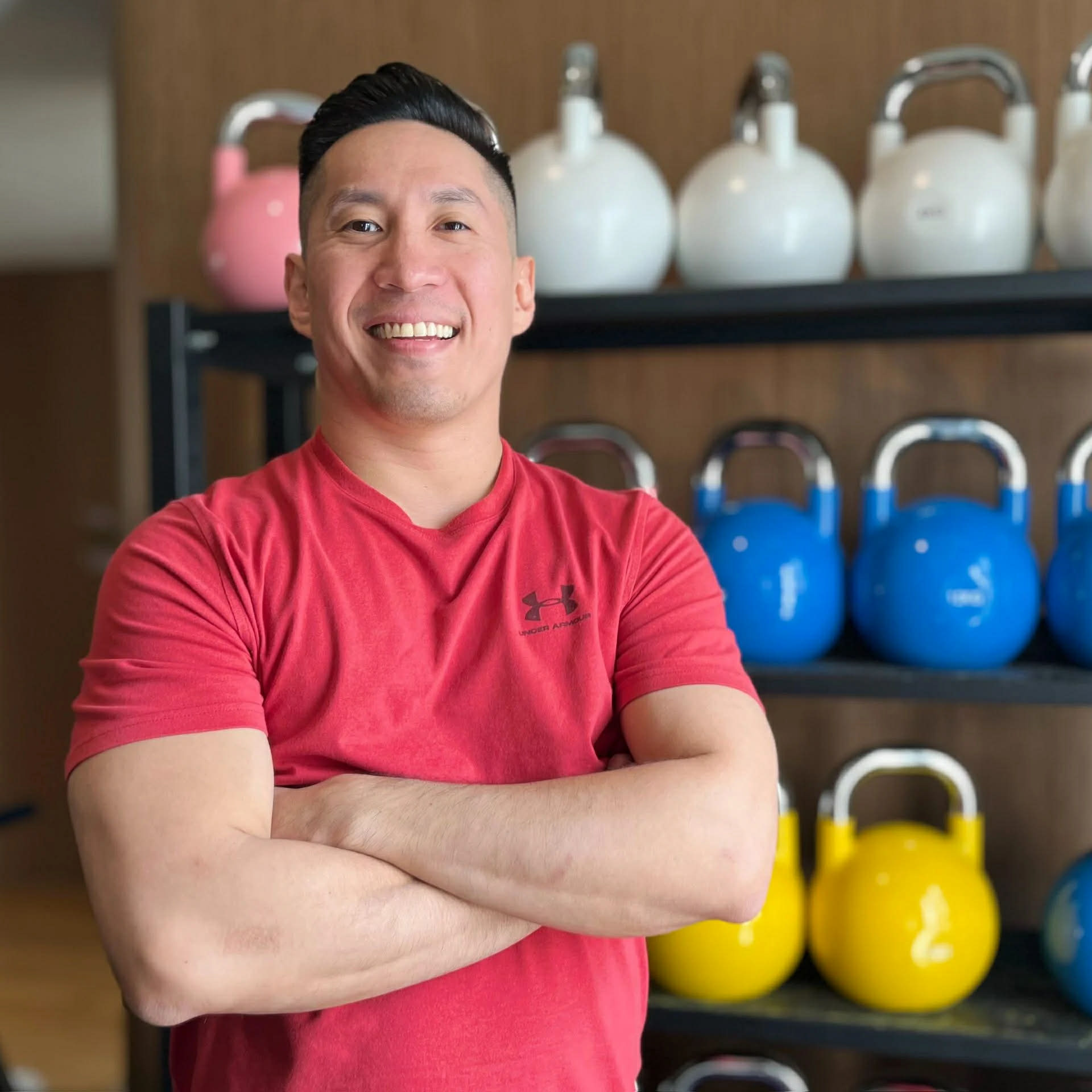
From UFC Fighter to Elite MMA, Muay Thai & Fitness Coach in Singapore
I was a professional fighter competing at the highest level in the UFC — the first and only Singaporean to ever step into the iconic Octagon. Those years of competition taught me discipline, focus, and what it truly takes to perform at the world’s highest level.
After retiring from professional fighting, I transitioned into full-time coaching. I’ve coached everyone from fighters preparing for competition to busy professionals looking to reclaim their health and confidence through MMA, Muay Thai, strength and conditioning, mobility, and functional fitness training.
My Coaching Philosophy
Great coaching goes beyond techniques and drills. It’s about creating systems that build consistent progress. My approach blends technical precision, athletic performance, and body awareness, helping my clients not only train harder but train smarter.
What makes my coaching unique is my ability to break down complex movements and fight strategies using simple, clear language. I design structured programs based on your goals — whether you’re looking to sharpen your striking, improve strength and conditioning, build mobility, or simply take your fitness to the next level.
Every session is deliberately designed for progress. I combine the mental and physical lessons from my UFC career with proven performance systems to help you build confidence, power, and resilience.
What You Can Expect
When you train with me, you get a holistic program that goes beyond just hitting pads or lifting weights.
- Authentic experience — Singapore’s first UFC fighter and seasoned MMA competitor.
- Coaching mastery — Over 19 years of coaching experience across MMA, Muay Thai, BJJ Nogi, and fitness training.
- Structured systems — Science-based programming designed for skill development, results, and longevity.
- MMA & Muay Thai training — Technical striking, clinch work, and fight fundamentals personalised for all experience levels.
- Strength & conditioning — Explosive power and endurance programs designed for fighters and fitness enthusiasts.
- Mobility training — Improve flexibility, movement efficiency, and injury prevention.
- Goal-driven progress — Every program is tailored to your lifestyle and goals — from leaning out to performing like an athlete.
Whether you’re stepping into the gym for the first time or preparing for your next fight, my systems will help you train effectively, stay motivated, and achieve real results. My goal is simple — to help you train smarter, move sharper, and feel unstoppable both inside and outside the gym.
Ready to Start Training?
If you’re in Singapore and ready to level up your MMA, Muay Thai, strength, or overall fitness, I’d love to work with you.
Train with a coach who’s been in the UFC Octagon and understands exactly how to build performance from the ground up.
Start your personal training journey today — book your first session here or DM me on Instagram Roystonweemma or Tiktok Roystonweemma, now to discuss your goals and find the right program for you.
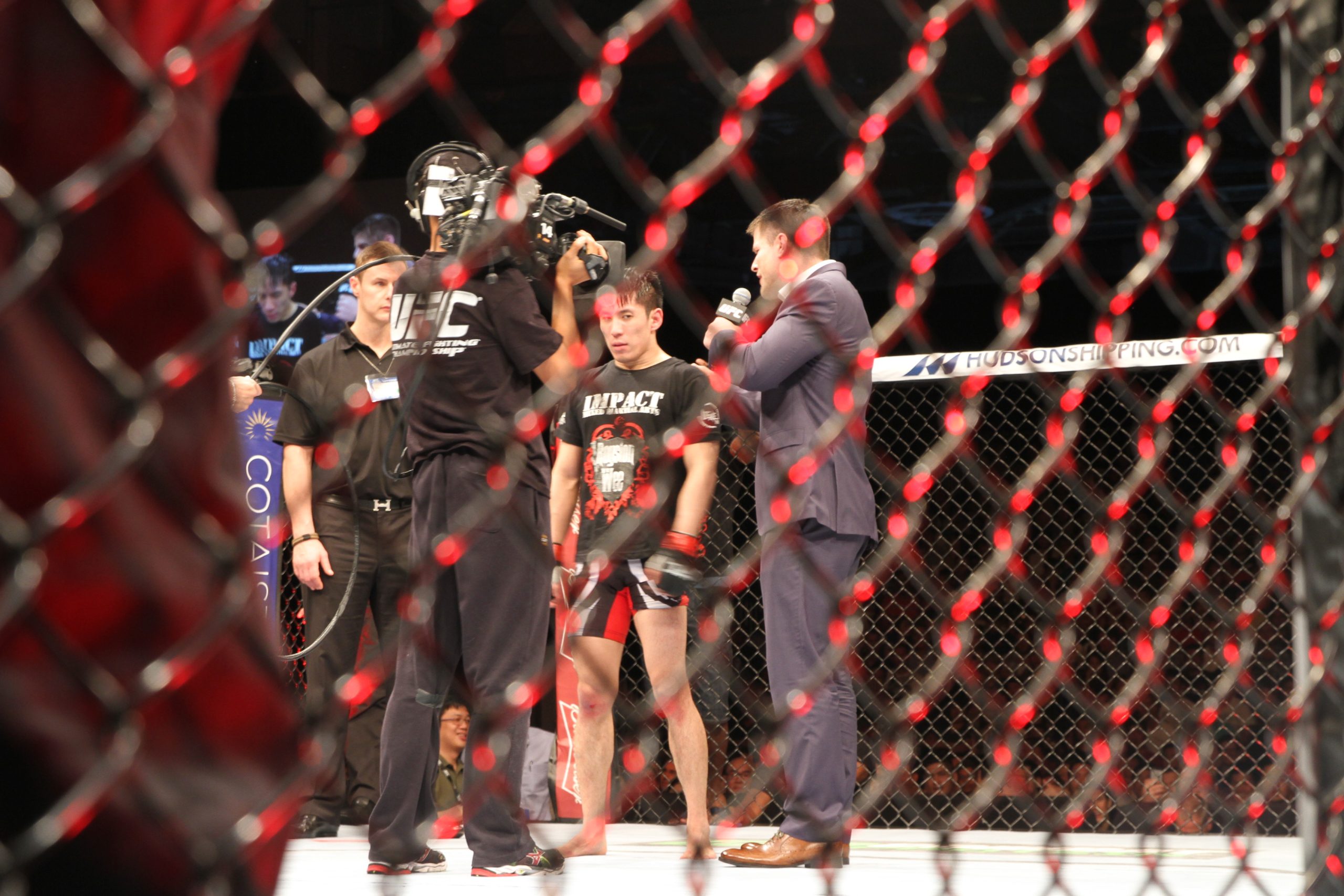
Combat sports like Muay Thai, MMA, and No-Gi Brazilian Jiu-Jitsu (BJJ) are trending globally, but there is a massive difference between watching a highlight reel and stepping onto the mats. While these disciplines offer life-changing benefits, the reality is that the dropout rate is high because they demand a level of commitment most people aren’t prepared for.
I believe in being honest with my clients: these arts are incredibly rewarding, but they are not for everyone. Here is why.
Muay Thai: The Art of Eight Limbs and Extreme Conditioning
Muay Thai is widely considered the most effective striking art in the world, but it is also one of the most physically taxing.
- The Conditioning Barrier: Unlike fitness kickboxing, authentic Muay Thai requires significant cardiovascular endurance and “bone conditioning” for leg kicks and checks.
- The Pain Factor: You will deal with bruised shins, sore ribs, and the mental hurdle of being hit. If you aren’t willing to embrace physical discomfort as part of the process, the “Art of Eight Limbs” might not be for you.
No-Gi BJJ: High-Speed Problem Solving Under Pressure
No-Gi BJJ removes the friction of the traditional uniform, making the game faster, more athletic, and often more claustrophobic.
- The Ego Trap: In No-Gi, you will be pinned and submitted repeatedly by people smaller than you. Those who cannot “check their ego” at the door often quit within the first few months.
- Complex Mechanics: BJJ is often called “human chess,” requiring intense strategic thinking while someone is actively trying to control your body. If you want a mindless workout, this technical depth might feel overwhelming.
MMA: The Ultimate Test of Adaptability
Mixed Martial Arts (MMA) is the most complex of the three because it requires you to be proficient in striking, wrestling, and grappling simultaneously.
- Information Overload: Many beginners struggle because they have to learn how to strike while worrying about a takedown, or how to grapple while defending against ground-and-pound.
- Consistency is Non-Negotiable: Because there are so many facets to MMA, training once or twice a week is rarely enough to see real progress. It requires a lifestyle shift that many are unwilling to make.
Are You the Exception?
Martial arts isn’t for everyone, but it is for the person who is tired of the easy path. It is for those who value discipline over motivation and resilience over comfort.
If you are looking for a community that will push you to your limits and a coaching team that prioritises real skill over “cardio-kickboxing” fluff, then you might just be the exception.
If you want to see how 1‑on‑1 coaching can help you reach your fitness or Muay Thai goals faster and safer, we’d love to help.
👉 Book a trial session here:https://www.roystonwee.com/private-coaching/
Have questions about packages, pricing, or whether personal training is right for you? DM me on Instagram Roystonweemma or Tiktok Roystonweemma, and I’ll be happy to chat!
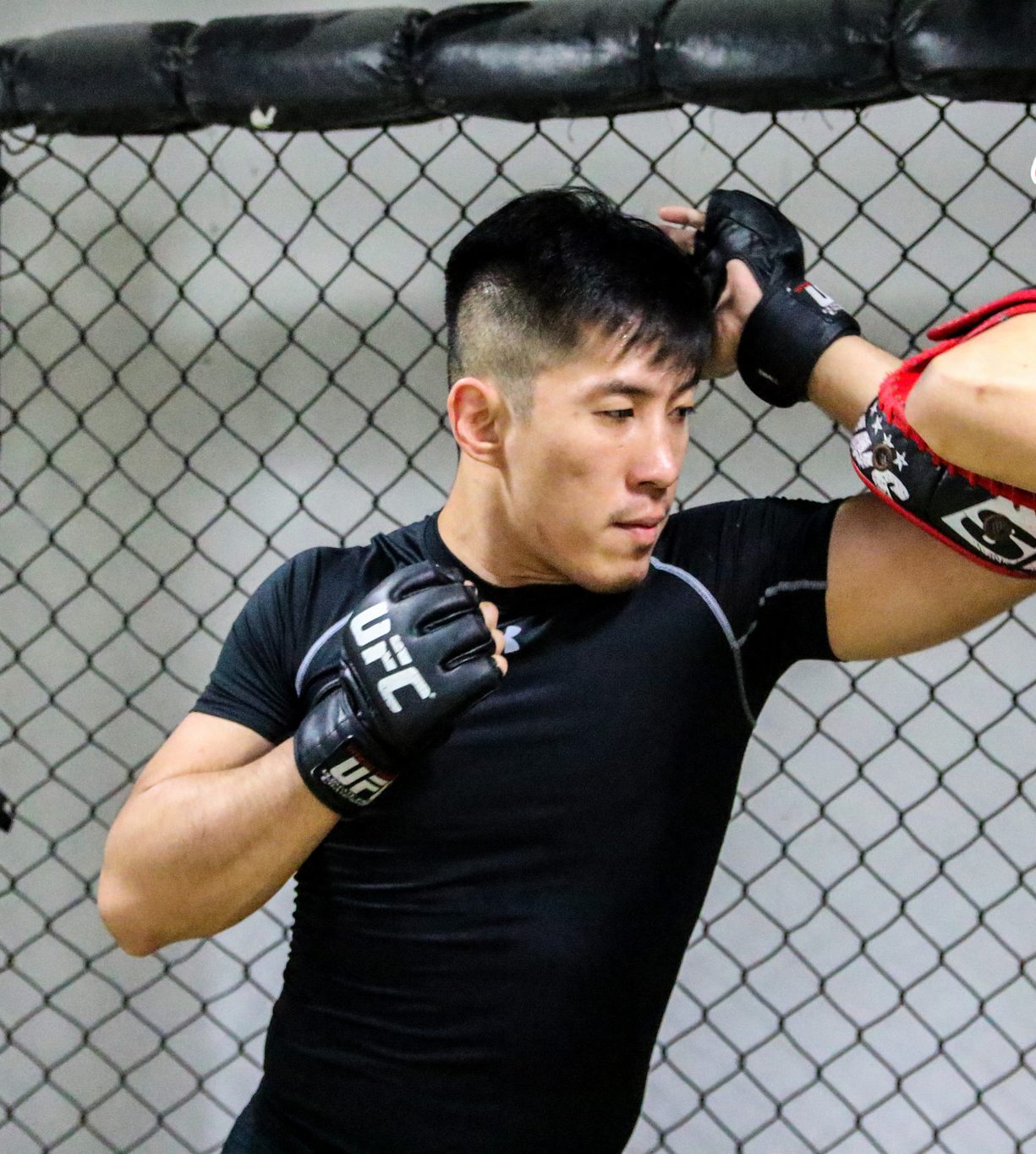
Muay Thai and fitness training are often romanticised as “all or nothing” – go hard, vomit in the bin, crawl home. But if the goal is real skill, better conditioning, and a body that lasts, consistency will always beat random high-intensity punishment sessions. The best fighters and athletes are not the ones who go the hardest once; they are the ones who can show up, train smart, and keep progressing week after week.
Why Consistency Beats Going Hard Once
Talent and “heart” help, but turning up consistently is what actually builds timing, power, and fight IQ in Muay Thai. Regular sessions allow your body to adapt gradually, making your joints, tendons, and nervous system more resilient instead of constantly inflamed and overworked. Over months and years, those “average” sessions compound into sharp technique, better conditioning, and real confidence in the ring or on the mats.
How Consistency Builds Real Muay Thai Skills
In Muay Thai, your weapons only become automatic through repetition and time under tension, not one heroic session where you smash pads until you collapse. Consistent training improves:
- Stance, guard, and balance so you are stable when you move, kick, or get hit.
- Timing and distance control through regular padwork, bag work, and controlled sparring.
- Ring IQ – staying calm, reading opponents, and making good decisions under fatigue.
When you train 2–5 times a week at a sustainable level, you remember more, recover better, and actually want to come back for the next session.
Where Intensity Fits In (And Where It Goes Wrong)
Intensity still matters – especially if you want to fight or push your performance. Hard pad rounds, conditioning circuits, and tough sparring phases are important tools to build power, pace, and mental toughness. The problem starts when every session becomes a “death session,” which usually leads to:
- Overuse injuries and chronic soreness.
- Long breaks from training due to burnout.
- Inconsistent attendance – training hard one week, disappearing the next.
Intensity should sit on top of a consistent base, not replace it. Peaks only work if there is a solid foundation supporting them.
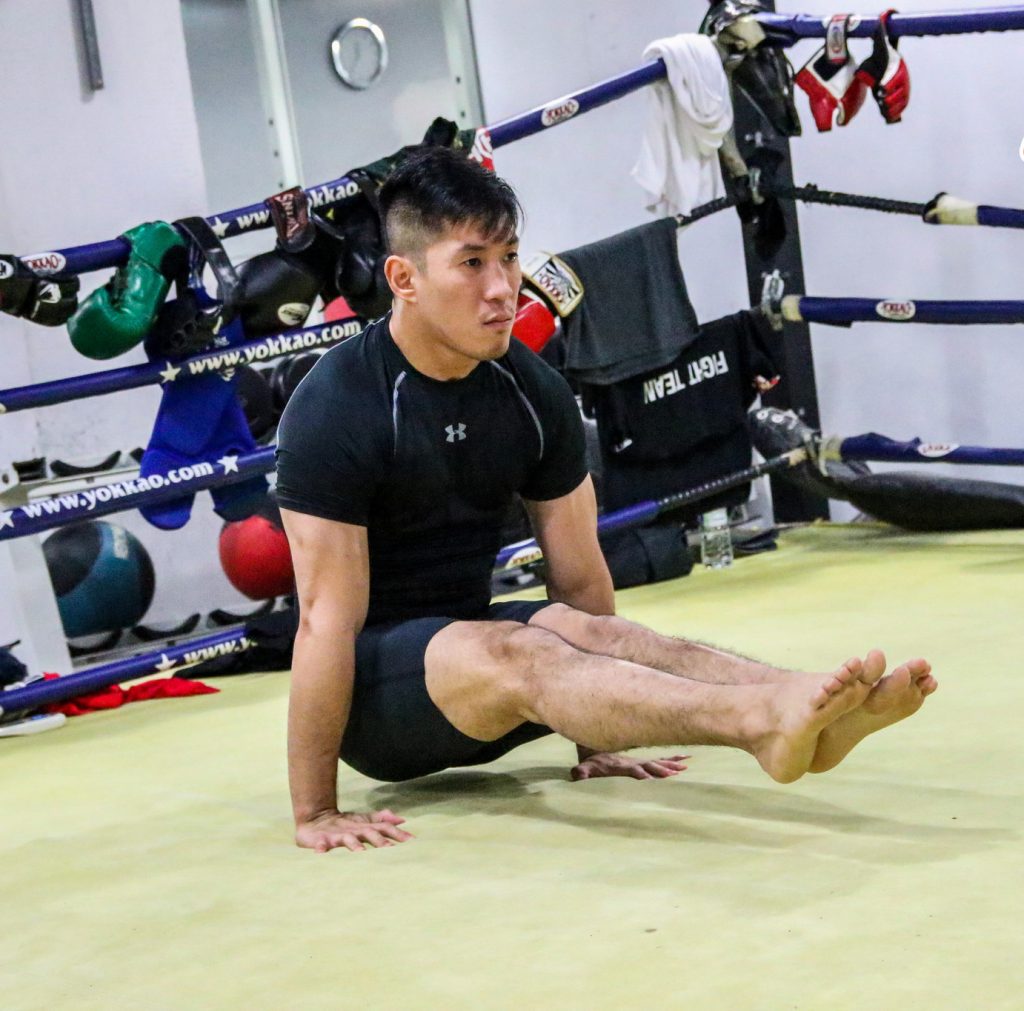
Strength and Conditioning That Supports Your Muay Thai
Your strength and conditioning training should help you train more and perform better, not just leave you wrecked for pads and sparring. A smart structure for most recreational and amateur fighters:
- 2–3 Muay Thai sessions per week focused on technique, pad/bag work, and controlled sparring.
- 2 full-body strength sessions per week focusing on compound lifts, core, and joint stability.
- 1 lighter day for active recovery: shadowboxing, mobility, light cardio.
The goal is to feel strong and prepared walking into Muay Thai class, not exhausted before the warm-up even starts.
A Simple Week Structure You Can Actually Stick To
For busy adults who want to level up without breaking down, consistency comes from realistic planning, not fantasy schedules. A sustainable weekly template:
- Monday – Muay Thai (technique + padwork)
- Tuesday – Strength training (full body)
- Wednesday – Muay Thai (bag work + conditioning)
- Friday – Strength training (full body)
- Saturday – Muay Thai (technical sparring / drills)
Adjust volume and intensity based on your sleep, work stress, and recovery so you can repeat this structure for months, not just two crazy weeks.
Consistency vs Intensity: The Takeaway
You do not need to “go to war” every session. You need to be able to train, recover, and repeat. The athletes who progress the most are not the ones who killed themselves in one legendary session; they are the ones who stayed in the game long enough to stack thousands of quality rounds over time. Train smart, stay consistent, and increase intensity strategically – that is how you actually look, move, and perform like a fighter.
If you want a Muay Thai and strength program built around smart progression instead of random punishment, your next step is simple: show up. Then keep showing up.
Ready to try personal training in Singapore?
If you want to see how 1‑on‑1 coaching can help you reach your fitness or Muay Thai goals faster and safer, we’d love to help.
👉 Book a trial session here: https://www.roystonwee.com/private-coaching/
Have questions about packages, pricing, or whether personal training is right for you? DM me on Instagram Roystonweemma or Tiktok Roystonweemma, and I’ll be happy to chat!