
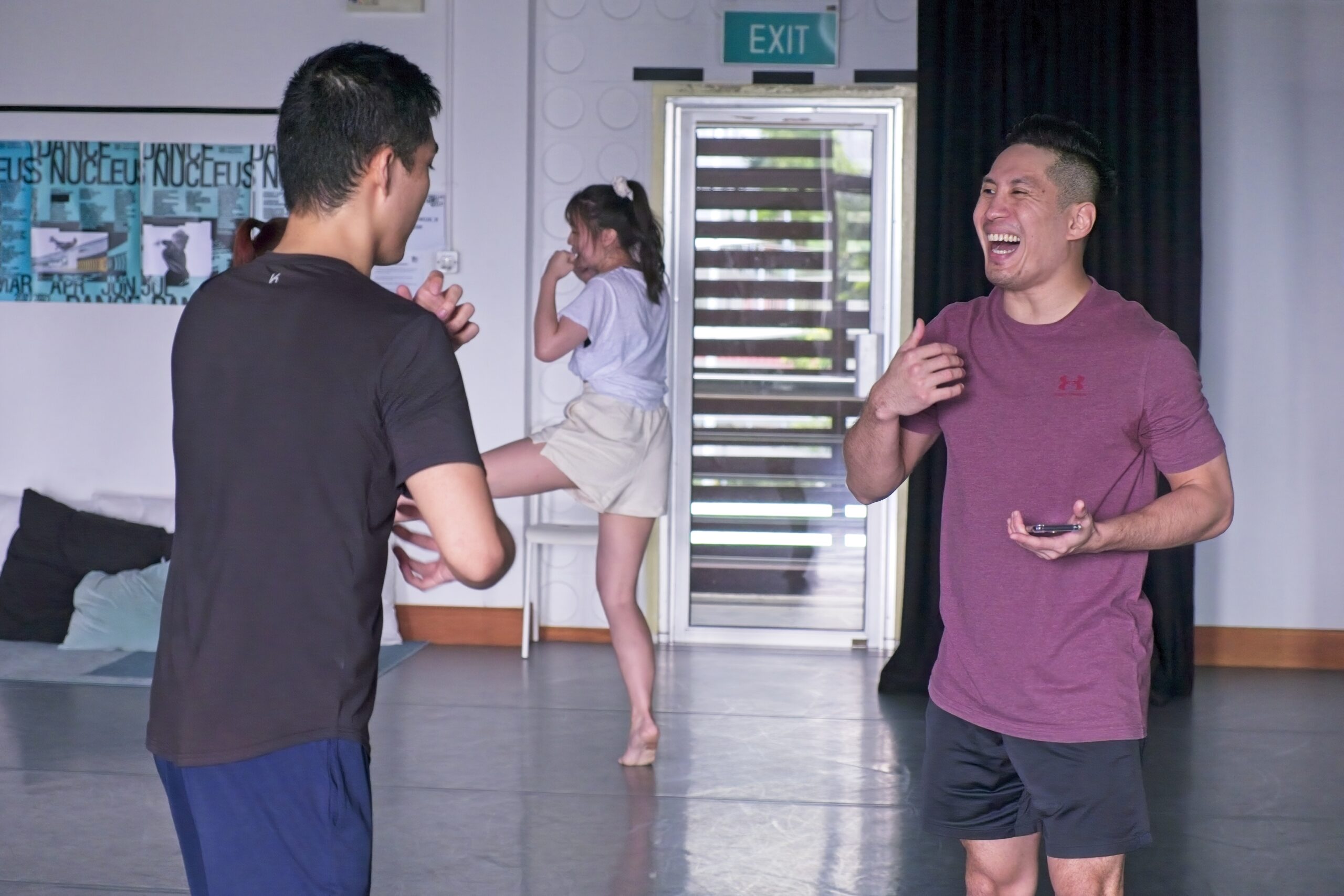
Muay Thai, Boxing, No-Gi, MMA, and Strength & Conditioning: Group Classes, Personal Training, or Semi-Private Coaching
Training in martial arts is not just about showing up and sweating. For Muay Thai, boxing, no-gi grappling, MMA, and strength and conditioning, the way you train can make a big difference in how quickly you improve, how well you recover, and how long you stay consistent.
That is why many martial artists benefit from a combination of group classes, personal training, and semi-private sessions rather than relying on just one format.
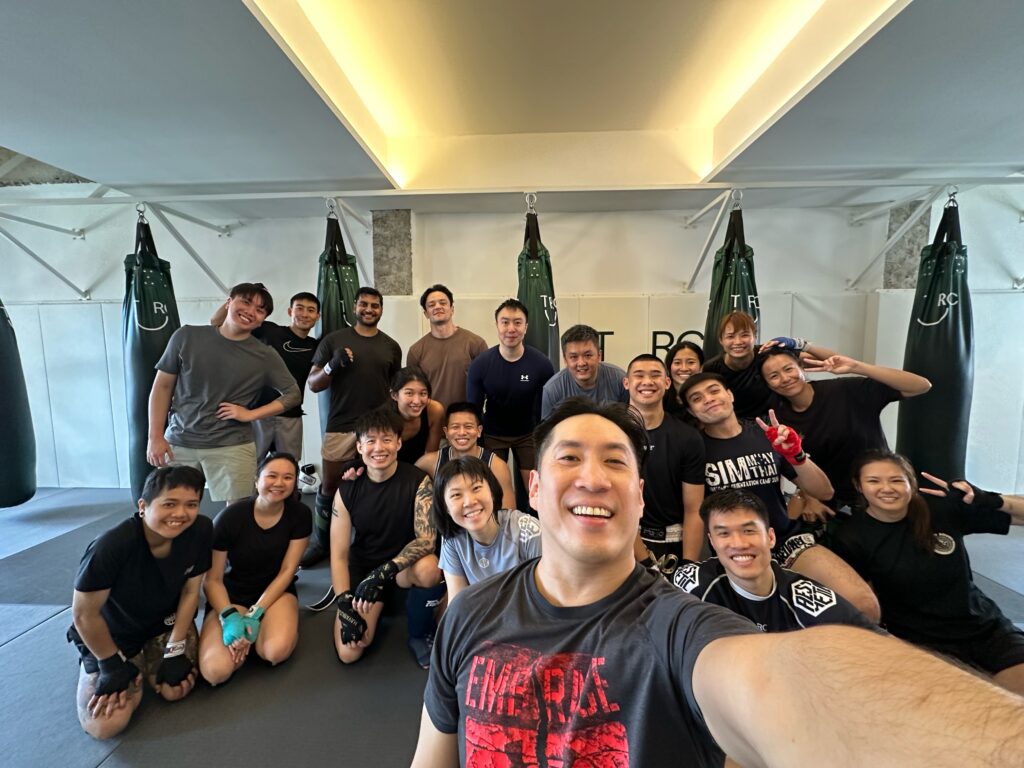
Group Classes Build Volume, Timing, and Confidence
Group classes are the backbone of most martial arts programs. They are ideal for building consistency, sharpening fundamentals, and getting lots of repetitions in a lively training environment.
For Muay Thai and boxing, group classes help you develop:
- Pad work rhythm.
- Footwork and movement.
- Combinations, defense, and conditioning.
- Sparring experience and partner awareness.
For no-gi and MMA, group classes help you learn:
- Positional awareness.
- Drilling patterns.
- Live rounds with different partners.
- The ability to perform under pressure.
Group classes are also usually more affordable, which makes them a strong choice for regular weekly training. The trade-off is that the coach has less time to correct every detail, so progress can be slower if you need more individual attention.
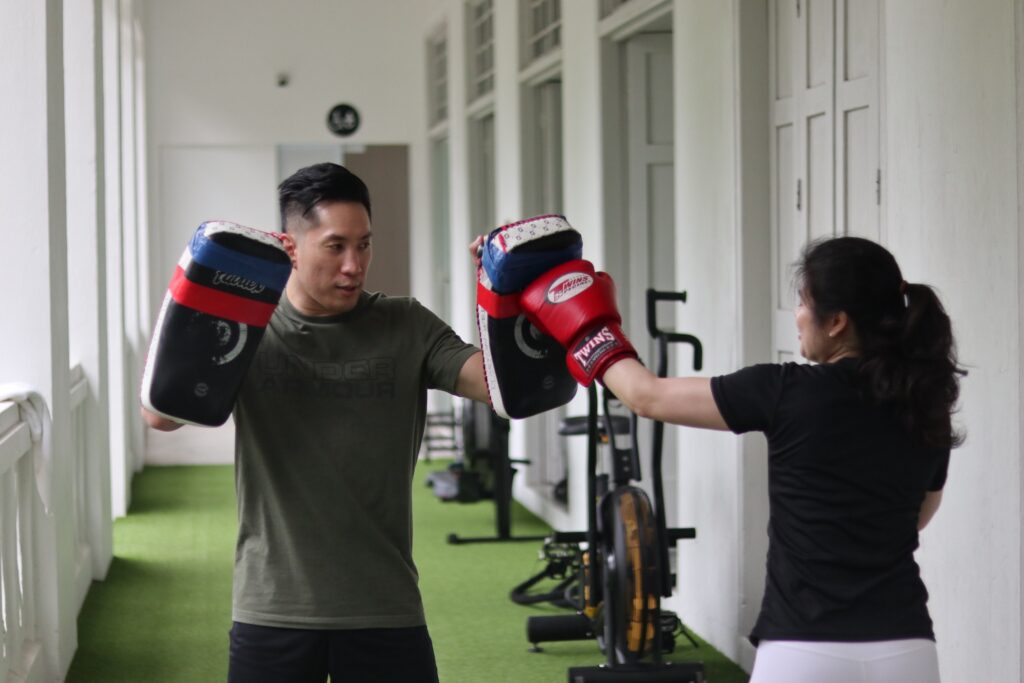
Personal Training Speeds Up Technical Progress
Personal training is the most focused option. It gives you full coaching attention, which is especially useful if you want to improve faster, fix habits, or work toward a specific goal.
Key benefits:
- Fully tailored sessions based on your goals (fitness, competition, weight loss, etc.).
- Immediate feedback and technical correction.
- Faster skill progression due to focused attention.
- Flexible pacing based on your ability and learning speed.
This format is ideal if you:
- Want to accelerate your progress.
- Have specific goals (e.g. first fight, weight cut, technique refinement).
- Prefer privacy or a more controlled learning environment.
The main limitation is cost and reduced training volume compared to group classes. You also miss out on the variety of training partners unless combined with other formats.
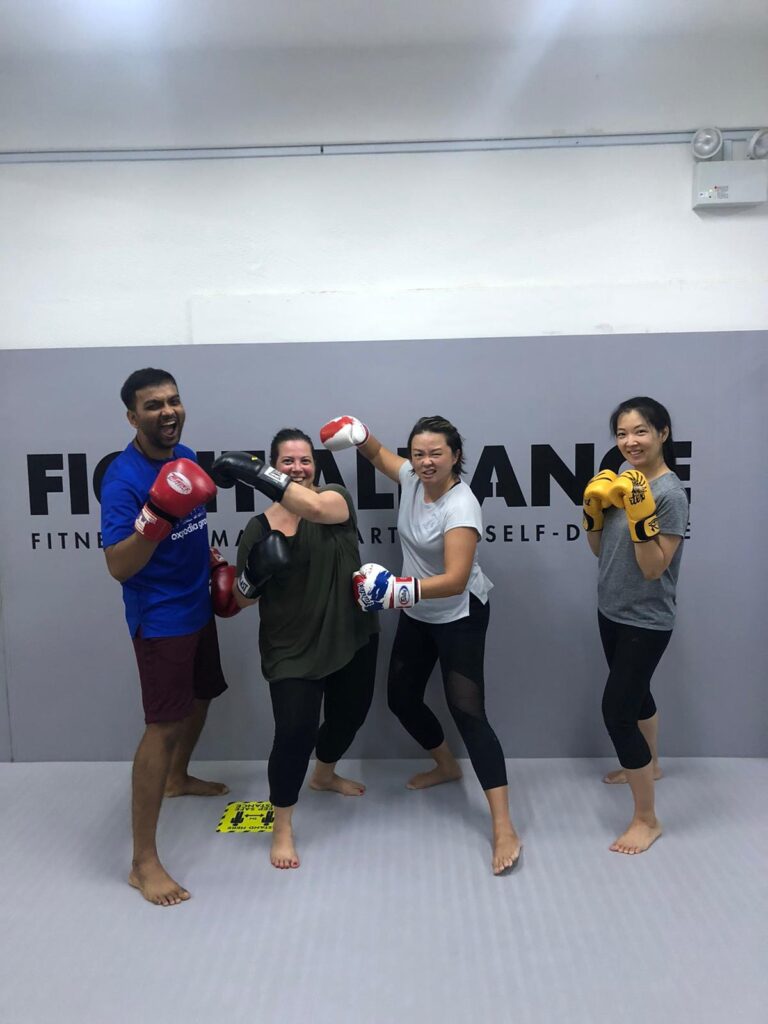
Semi-Private Training: The Best of Both Worlds
Semi-private sessions (usually 2–4 people) sit between group classes and personal training. You still get more personal attention than in a large group, but the cost is usually lower than one-to-one training.
Key benefits:
- More individualized coaching than group classes.
- Lower cost than 1-on-1 personal training.
- Small group dynamic with focused attention.
- Ability to train with friends or like-minded partners.
This format works well for:
- Beginners who want more guidance before joining full classes.
- Intermediate athletes who want sport-specific development.
- Small groups with similar skill levels or goals.
- Busy professionals who want efficient, high-quality sessions.
For martial arts, semi-private sessions can be especially effective because the format allows for better correction, more drilling, and more individualized progress while still keeping the energy of partner-based training. That makes it a great fit for Muay Thai, boxing, no-gi, and MMA athletes who want structured progression without losing the benefits of training with others.
Why A Combination Works Best
The best results usually come from combining two or more training formats. Each one plays a different role in your development.
Here’s how they complement each other:
- Group classes build volume and conditioning. You get repetition, sparring exposure, and the ability to apply techniques under pressure.
- Personal training sharpens technique. You fix mistakes quickly and develop a deeper understanding of movement and strategy.
- Semi-private sessions reinforce both. They bridge the gap by allowing focused coaching while still training with others.
- Strength and conditioning for power, endurance, injury prevention, and athletic performance.
For example:
- A beginner might start with semi-private sessions to build confidence, then transition into group classes.
- An intermediate student might attend group classes regularly but add weekly personal training to break through plateaus.
- A busy professional might combine semi-private sessions with occasional group classes for flexibility and consistency.
Which Training Mix Fits You
If your goal is general fitness and consistency, group classes plus occasional semi-private/personal training sessions can be a great fit.
If your goal is faster improvement in Muay Thai, boxing, no-gi, or MMA, combine group classes with personal training so you can train volume while still fixing details quickly.
If your goal is performance, competition, or a more complete athletic base, add strength and conditioning into the mix so your body can handle harder training and recover better.
Final Thoughts
There’s no single “best” option—only what works best for you. But if you want to train smarter (not just harder), combining different formats gives you a clear edge.
You get the intensity of group training, the precision of personal coaching, and the balance of semi-private sessions—all working together to accelerate your progress in martial arts.
Book a consultation or trial session here today—available in-person in Singapore or via flexible online coaching to fit your busy schedule. Alternatively, DM me on Instagram Roystonweemma or Tiktok Roystonweemma now to discuss your goals and find the right program for you.