

Good vs Bad Clients for Personal Training: What Every Coach Should Know
In the world of personal training, not all clients are created equal. Some make every session inspiring and productive—others, unfortunately, create more challenges than results. As a coach, understanding the difference between good and bad clients can save you time, preserve your energy, and strengthen your reputation.
What Makes a Good Personal Training Client?
A great client isn’t necessarily the strongest, most athletic, or most committed from day one. Instead, they share a few key traits that make the training relationship successful and enjoyable for both sides.
- Consistency and reliability. They show up for sessions on time and follow through with homework.
- Coachability. Good clients listen, apply feedback, and trust your process instead of trying to reinvent it mid-session.
- Open communication. They share relevant details—like injuries, stress, or sleep issues—so you can safely adjust their program.
- Positive attitude. They bring energy and patience, even when training gets tough, knowing progress takes effort and time.
- Respect for boundaries. They treat your expertise, time, and business policies with respect, enhancing the professional partnership.
In short, good clients make coaching fulfilling. They understand that results come from teamwork—a mix of your knowledge and their consistent effort.
Common Traits of Bad Personal Training Clients
Every coach encounters clients who drain motivation or derail sessions. Recognising the signs early helps you manage expectations—or decide when it’s time to part ways.
- Chronic lateness or cancellations. Repeated no-shows and last-minute changes suggest low commitment.
- Excuse makers. They constantly justify why they can’t train, eat well, or progress, deflecting responsibility.
- Know-it-alls. Bad clients often dismiss your expertise or argue with instructions, making collaboration impossible.
- Unrealistic expectations. They want instant results without adjusting lifestyle habits.
- Negative mindset. Constant complaining, lack of effort, or emotional resistance can spread discouragement fast.
- Price hagglers and package abusers. Some clients repeatedly ask for discounts, expect free sessions, or demand that their package never expire. This shows a lack of respect for your time, expertise, and business. Clear payment policies protect your value and ensure mutual respect from the start.
While empathy is vital, patterns of disrespect or noncompliance rarely change without a clear conversation and firm boundaries.
How Coaches Can Set the Tone
The best way to attract and retain “good” clients is to set expectations early. That means a clear onboarding process covering attendance policies, communication methods, and training goals. Include written agreements or terms of service so that everyone knows what success looks like from day one.
Coaches should also remember that bad clients aren’t always bad people—sometimes they simply lack structure, awareness, or confidence. Strong coaching includes education and accountability, but also the discernment to know when your energy is better spent elsewhere.
Why This Matters for Your Business
Attracting aligned clients doesn’t just make your job easier—it protects your business reputation and income stability. When you train people who are motivated, respectful, and consistent, they get results, refer others, and become long-term brand ambassadors. That’s the foundation of a sustainable personal training business.
Ready to Level Up?
If you’re a client looking to start your fitness journey with a professional coach who values real results and accountability? Or if you’re fellow coaches who want to sharpen your coaching, communication, or client management skills? Book a consultation or trial session here today—available in-person in Singapore or via flexible online coaching to fit your busy schedule. Alternatively, DM me on Instagram Roystonweemma or Tiktok Roystonweemma now to discuss your goals and find the right program for you.
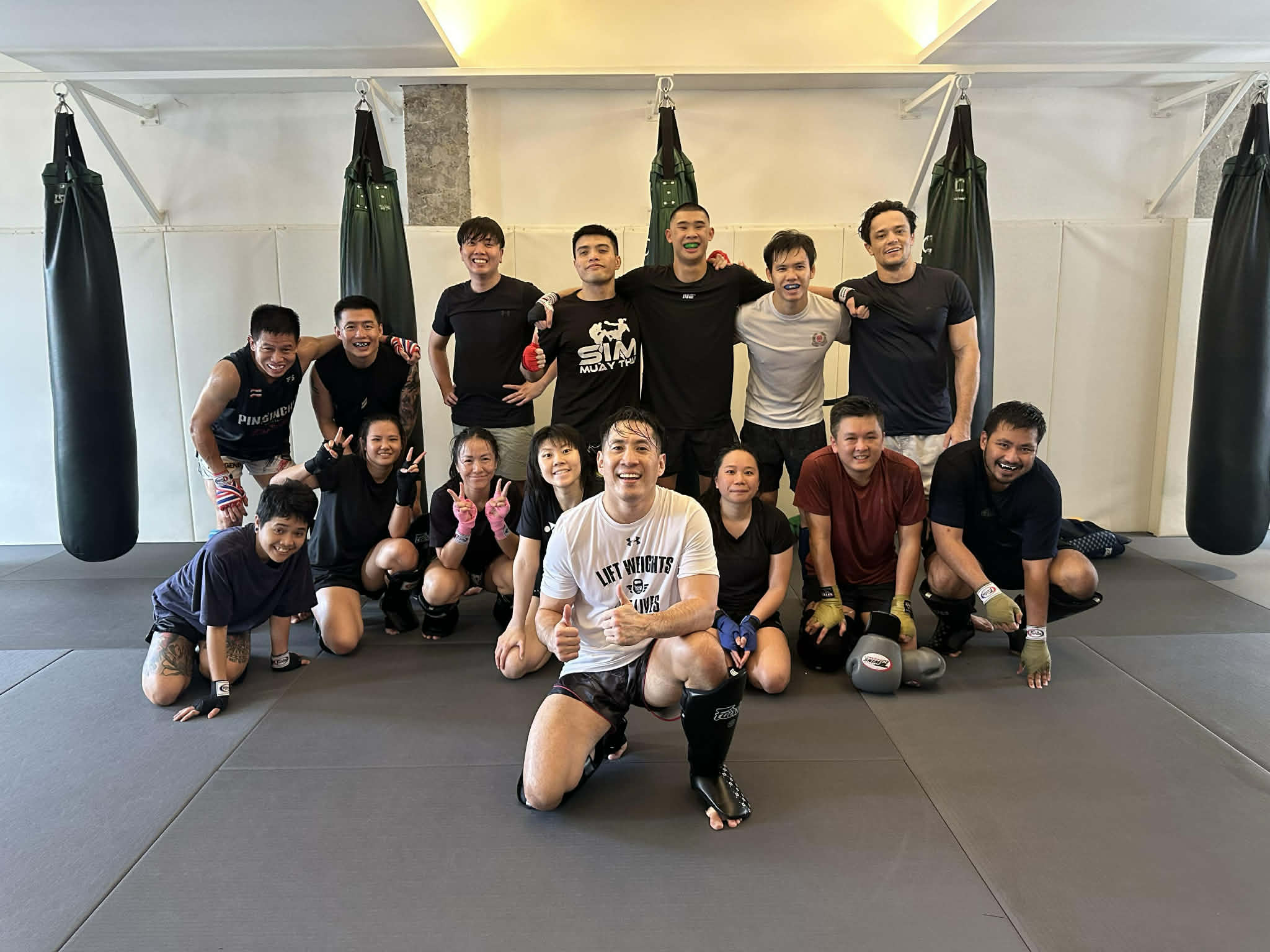
Choosing the right coach is crucial for safe progress in personal training, strength and conditioning, or Muay Thai. Good coaches prioritise your goals, safety, and long-term development, while bad ones risk injury or stall your gains.
Traits of Great Coaches
Elite coaches prioritise safe, progressive skill-building for all levels. They stress fundamentals, adapt programs, and build trust through results.
Effective coaches demonstrate expertise through ongoing education and real-world experience. They break down techniques clearly, adapt to your fitness level, and monitor form to prevent injuries.
Passionate coaches build relationships, communicate patiently, and track progress with personalised plans. In Muay Thai, look for those emphasising fundamentals like footwork over flashy moves, with a safety-first approach.
Red Flags in Bad Coaches
Poor coaches skip steps, freestyles, use one-size-fits-all programs, and ignore injuries by pushing “toughen up.” They provide vague feedback like “do better, do faster, more power” without specifics, cancel sessions often, are always late, or pressure long contracts prematurely.
In combat sports, watch for ego-driven hard sparring without control, neglecting basics, or toxic gym vibes. Bad coaches overlook safety hazards or fail to educate on the how, when, and why.
Top coaches have fight experience, teach technique patiently, and plan detailed systems for beginners or fighters. In Singapore, prioritise gyms with consistent trainers who stress safety, structure, and fundamentals over intensity alone.
Good vs Bad Coaches
| Aspect | Good Coach Traits | Bad Coach Red Flags |
|---|---|---|
| Planning | Personalised programs, track progress | No assessments, generic routines |
| Safety | Monitors form, adapts to limits | Ignores pain, pushes unsafe drills |
| Teaching | Clear demos, specific feedback | Vague advice, skips fundamentals |
| Engagement | Patient, motivational, consistent | Cancels often, lazy, lacks proper planning |
| Expertise | Credentials, experienced, continuous learning | Unqualified, ego-focused |
Ready to Kick Start Your Training?
Book a trial session first to assess coaching style and get a feel of how training is like. Ask about their credentials, client results, and how they handle injuries. No matter where you are in the world and ready to level up your MMA, Muay Thai, strength, or overall fitness, I’d love to work with you in-person or online!
Train with a coach who’s been in the UFC Octagon and understands exactly how to build performance from the ground up.
Start your personal training journey today — book your first session here or DM me on Instagram Roystonweemma or Tiktok Roystonweemma, now to discuss your goals and find the right program for you. Let’s chat!
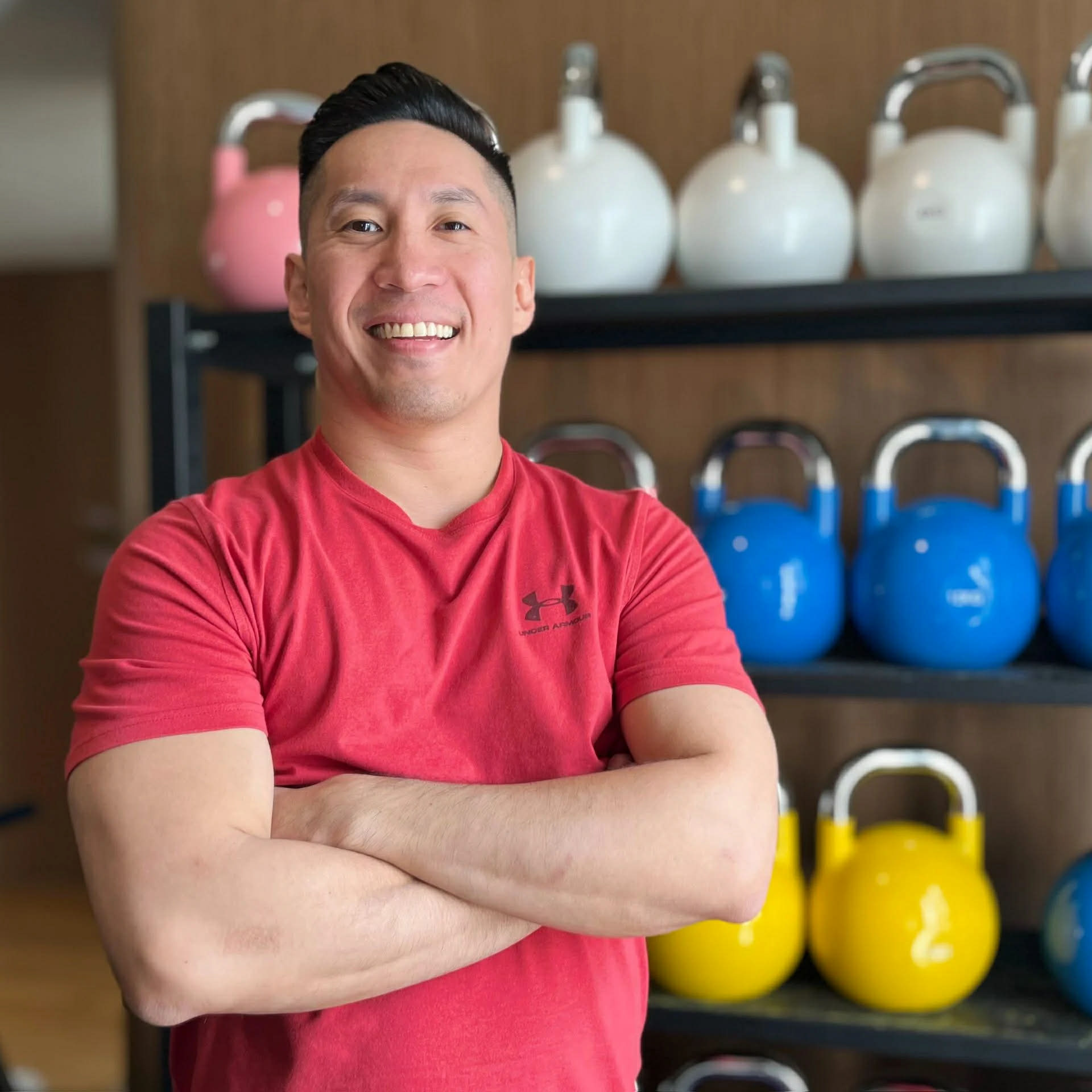
From UFC Fighter to Elite MMA, Muay Thai & Fitness Coach in Singapore
I was a professional fighter competing at the highest level in the UFC — the first and only Singaporean to ever step into the iconic Octagon. Those years of competition taught me discipline, focus, and what it truly takes to perform at the world’s highest level.
After retiring from professional fighting, I transitioned into full-time coaching. I’ve coached everyone from fighters preparing for competition to busy professionals looking to reclaim their health and confidence through MMA, Muay Thai, strength and conditioning, mobility, and functional fitness training.
My Coaching Philosophy
Great coaching goes beyond techniques and drills. It’s about creating systems that build consistent progress. My approach blends technical precision, athletic performance, and body awareness, helping my clients not only train harder but train smarter.
What makes my coaching unique is my ability to break down complex movements and fight strategies using simple, clear language. I design structured programs based on your goals — whether you’re looking to sharpen your striking, improve strength and conditioning, build mobility, or simply take your fitness to the next level.
Every session is deliberately designed for progress. I combine the mental and physical lessons from my UFC career with proven performance systems to help you build confidence, power, and resilience.
What You Can Expect
When you train with me, you get a holistic program that goes beyond just hitting pads or lifting weights.
- Authentic experience — Singapore’s first UFC fighter and seasoned MMA competitor.
- Coaching mastery — Over 19 years of coaching experience across MMA, Muay Thai, BJJ Nogi, and fitness training.
- Structured systems — Science-based programming designed for skill development, results, and longevity.
- MMA & Muay Thai training — Technical striking, clinch work, and fight fundamentals personalised for all experience levels.
- Strength & conditioning — Explosive power and endurance programs designed for fighters and fitness enthusiasts.
- Mobility training — Improve flexibility, movement efficiency, and injury prevention.
- Goal-driven progress — Every program is tailored to your lifestyle and goals — from leaning out to performing like an athlete.
Whether you’re stepping into the gym for the first time or preparing for your next fight, my systems will help you train effectively, stay motivated, and achieve real results. My goal is simple — to help you train smarter, move sharper, and feel unstoppable both inside and outside the gym.
Ready to Start Training?
If you’re in Singapore and ready to level up your MMA, Muay Thai, strength, or overall fitness, I’d love to work with you.
Train with a coach who’s been in the UFC Octagon and understands exactly how to build performance from the ground up.
Start your personal training journey today — book your first session here or DM me on Instagram Roystonweemma or Tiktok Roystonweemma, now to discuss your goals and find the right program for you.
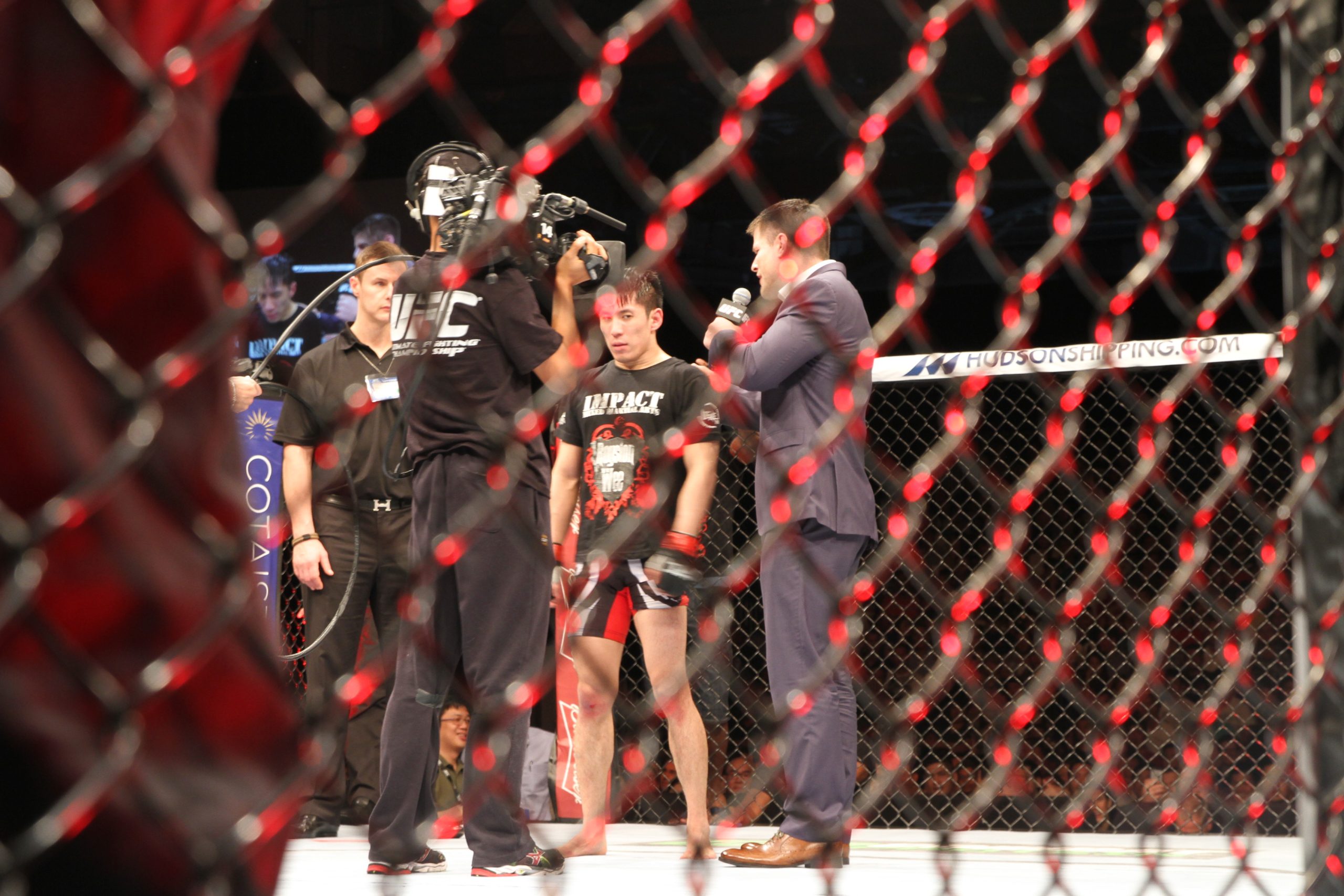
Combat sports like Muay Thai, MMA, and No-Gi Brazilian Jiu-Jitsu (BJJ) are trending globally, but there is a massive difference between watching a highlight reel and stepping onto the mats. While these disciplines offer life-changing benefits, the reality is that the dropout rate is high because they demand a level of commitment most people aren’t prepared for.
I believe in being honest with my clients: these arts are incredibly rewarding, but they are not for everyone. Here is why.
Muay Thai: The Art of Eight Limbs and Extreme Conditioning
Muay Thai is widely considered the most effective striking art in the world, but it is also one of the most physically taxing.
- The Conditioning Barrier: Unlike fitness kickboxing, authentic Muay Thai requires significant cardiovascular endurance and “bone conditioning” for leg kicks and checks.
- The Pain Factor: You will deal with bruised shins, sore ribs, and the mental hurdle of being hit. If you aren’t willing to embrace physical discomfort as part of the process, the “Art of Eight Limbs” might not be for you.
No-Gi BJJ: High-Speed Problem Solving Under Pressure
No-Gi BJJ removes the friction of the traditional uniform, making the game faster, more athletic, and often more claustrophobic.
- The Ego Trap: In No-Gi, you will be pinned and submitted repeatedly by people smaller than you. Those who cannot “check their ego” at the door often quit within the first few months.
- Complex Mechanics: BJJ is often called “human chess,” requiring intense strategic thinking while someone is actively trying to control your body. If you want a mindless workout, this technical depth might feel overwhelming.
MMA: The Ultimate Test of Adaptability
Mixed Martial Arts (MMA) is the most complex of the three because it requires you to be proficient in striking, wrestling, and grappling simultaneously.
- Information Overload: Many beginners struggle because they have to learn how to strike while worrying about a takedown, or how to grapple while defending against ground-and-pound.
- Consistency is Non-Negotiable: Because there are so many facets to MMA, training once or twice a week is rarely enough to see real progress. It requires a lifestyle shift that many are unwilling to make.
Are You the Exception?
Martial arts isn’t for everyone, but it is for the person who is tired of the easy path. It is for those who value discipline over motivation and resilience over comfort.
If you are looking for a community that will push you to your limits and a coaching team that prioritises real skill over “cardio-kickboxing” fluff, then you might just be the exception.
If you want to see how 1‑on‑1 coaching can help you reach your fitness or Muay Thai goals faster and safer, we’d love to help.
👉 Book a trial session here:https://www.roystonwee.com/private-coaching/
Have questions about packages, pricing, or whether personal training is right for you? DM me on Instagram Roystonweemma or Tiktok Roystonweemma, and I’ll be happy to chat!
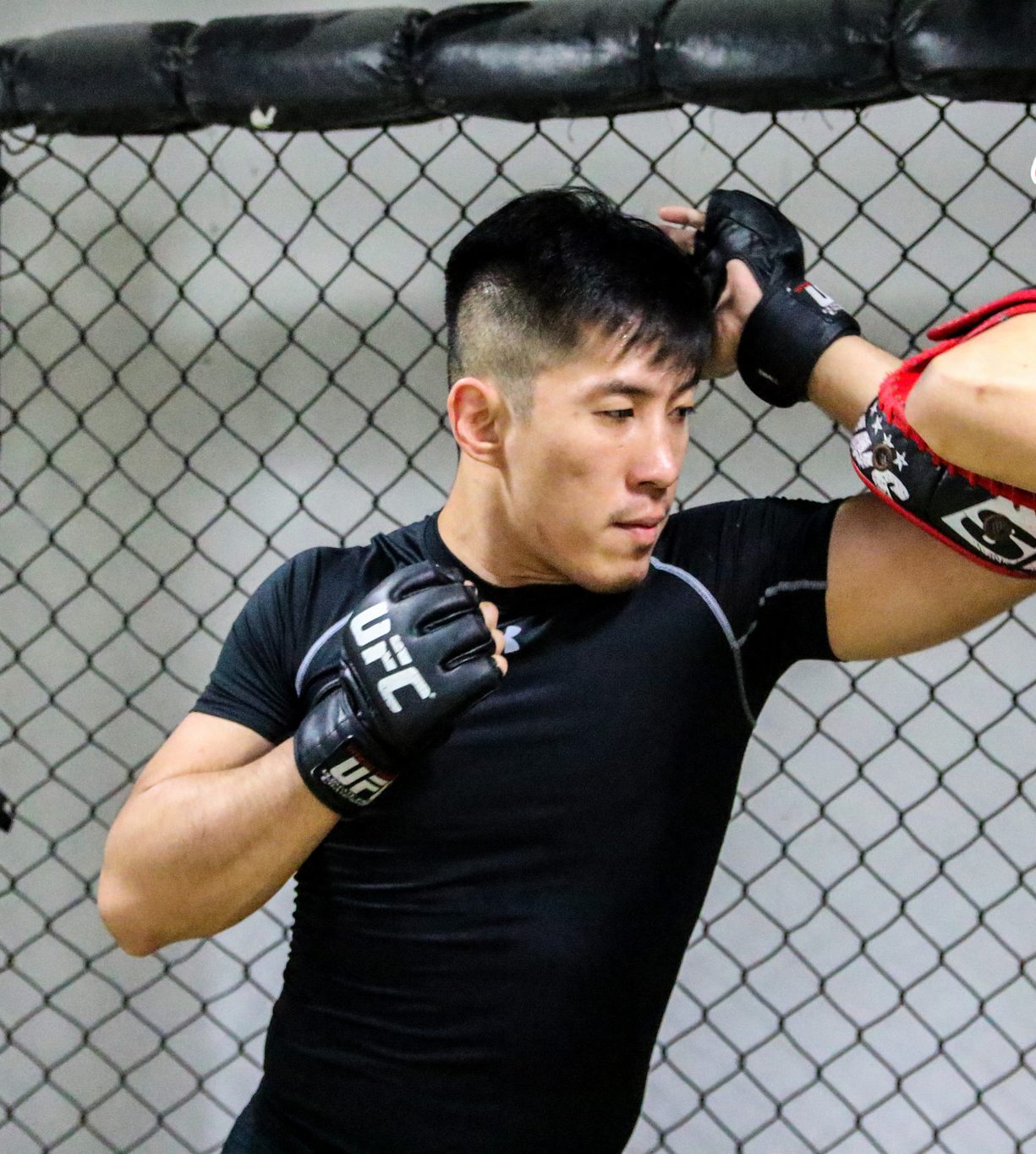
Muay Thai and fitness training are often romanticised as “all or nothing” – go hard, vomit in the bin, crawl home. But if the goal is real skill, better conditioning, and a body that lasts, consistency will always beat random high-intensity punishment sessions. The best fighters and athletes are not the ones who go the hardest once; they are the ones who can show up, train smart, and keep progressing week after week.
Why Consistency Beats Going Hard Once
Talent and “heart” help, but turning up consistently is what actually builds timing, power, and fight IQ in Muay Thai. Regular sessions allow your body to adapt gradually, making your joints, tendons, and nervous system more resilient instead of constantly inflamed and overworked. Over months and years, those “average” sessions compound into sharp technique, better conditioning, and real confidence in the ring or on the mats.
How Consistency Builds Real Muay Thai Skills
In Muay Thai, your weapons only become automatic through repetition and time under tension, not one heroic session where you smash pads until you collapse. Consistent training improves:
- Stance, guard, and balance so you are stable when you move, kick, or get hit.
- Timing and distance control through regular padwork, bag work, and controlled sparring.
- Ring IQ – staying calm, reading opponents, and making good decisions under fatigue.
When you train 2–5 times a week at a sustainable level, you remember more, recover better, and actually want to come back for the next session.
Where Intensity Fits In (And Where It Goes Wrong)
Intensity still matters – especially if you want to fight or push your performance. Hard pad rounds, conditioning circuits, and tough sparring phases are important tools to build power, pace, and mental toughness. The problem starts when every session becomes a “death session,” which usually leads to:
- Overuse injuries and chronic soreness.
- Long breaks from training due to burnout.
- Inconsistent attendance – training hard one week, disappearing the next.
Intensity should sit on top of a consistent base, not replace it. Peaks only work if there is a solid foundation supporting them.
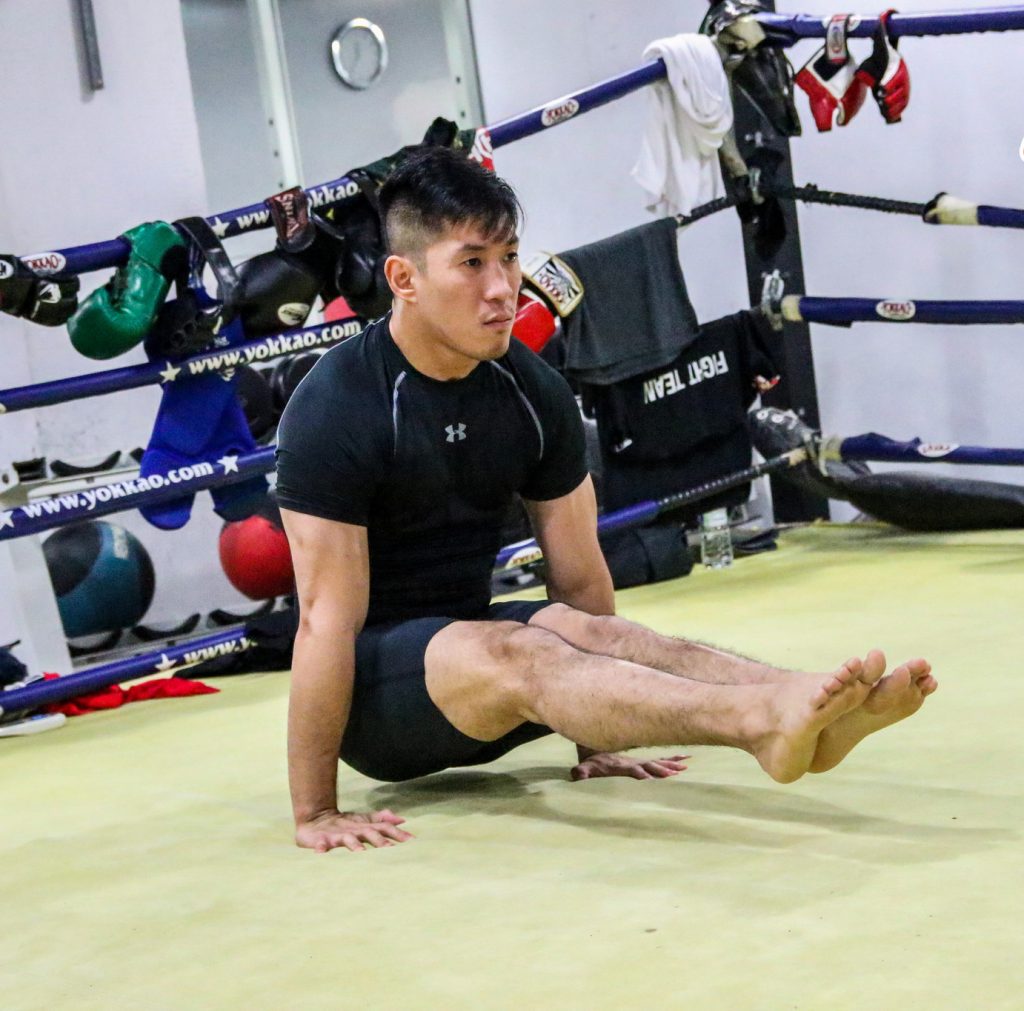
Strength and Conditioning That Supports Your Muay Thai
Your strength and conditioning training should help you train more and perform better, not just leave you wrecked for pads and sparring. A smart structure for most recreational and amateur fighters:
- 2–3 Muay Thai sessions per week focused on technique, pad/bag work, and controlled sparring.
- 2 full-body strength sessions per week focusing on compound lifts, core, and joint stability.
- 1 lighter day for active recovery: shadowboxing, mobility, light cardio.
The goal is to feel strong and prepared walking into Muay Thai class, not exhausted before the warm-up even starts.
A Simple Week Structure You Can Actually Stick To
For busy adults who want to level up without breaking down, consistency comes from realistic planning, not fantasy schedules. A sustainable weekly template:
- Monday – Muay Thai (technique + padwork)
- Tuesday – Strength training (full body)
- Wednesday – Muay Thai (bag work + conditioning)
- Friday – Strength training (full body)
- Saturday – Muay Thai (technical sparring / drills)
Adjust volume and intensity based on your sleep, work stress, and recovery so you can repeat this structure for months, not just two crazy weeks.
Consistency vs Intensity: The Takeaway
You do not need to “go to war” every session. You need to be able to train, recover, and repeat. The athletes who progress the most are not the ones who killed themselves in one legendary session; they are the ones who stayed in the game long enough to stack thousands of quality rounds over time. Train smart, stay consistent, and increase intensity strategically – that is how you actually look, move, and perform like a fighter.
If you want a Muay Thai and strength program built around smart progression instead of random punishment, your next step is simple: show up. Then keep showing up.
Ready to try personal training in Singapore?
If you want to see how 1‑on‑1 coaching can help you reach your fitness or Muay Thai goals faster and safer, we’d love to help.
👉 Book a trial session here: https://www.roystonwee.com/private-coaching/
Have questions about packages, pricing, or whether personal training is right for you? DM me on Instagram Roystonweemma or Tiktok Roystonweemma, and I’ll be happy to chat!
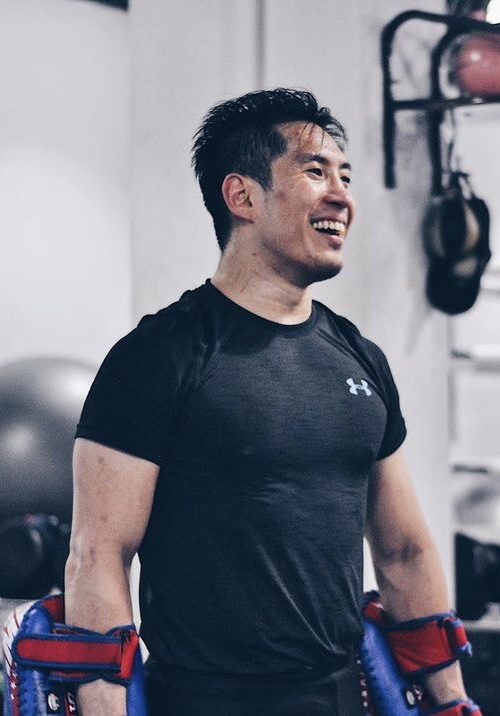
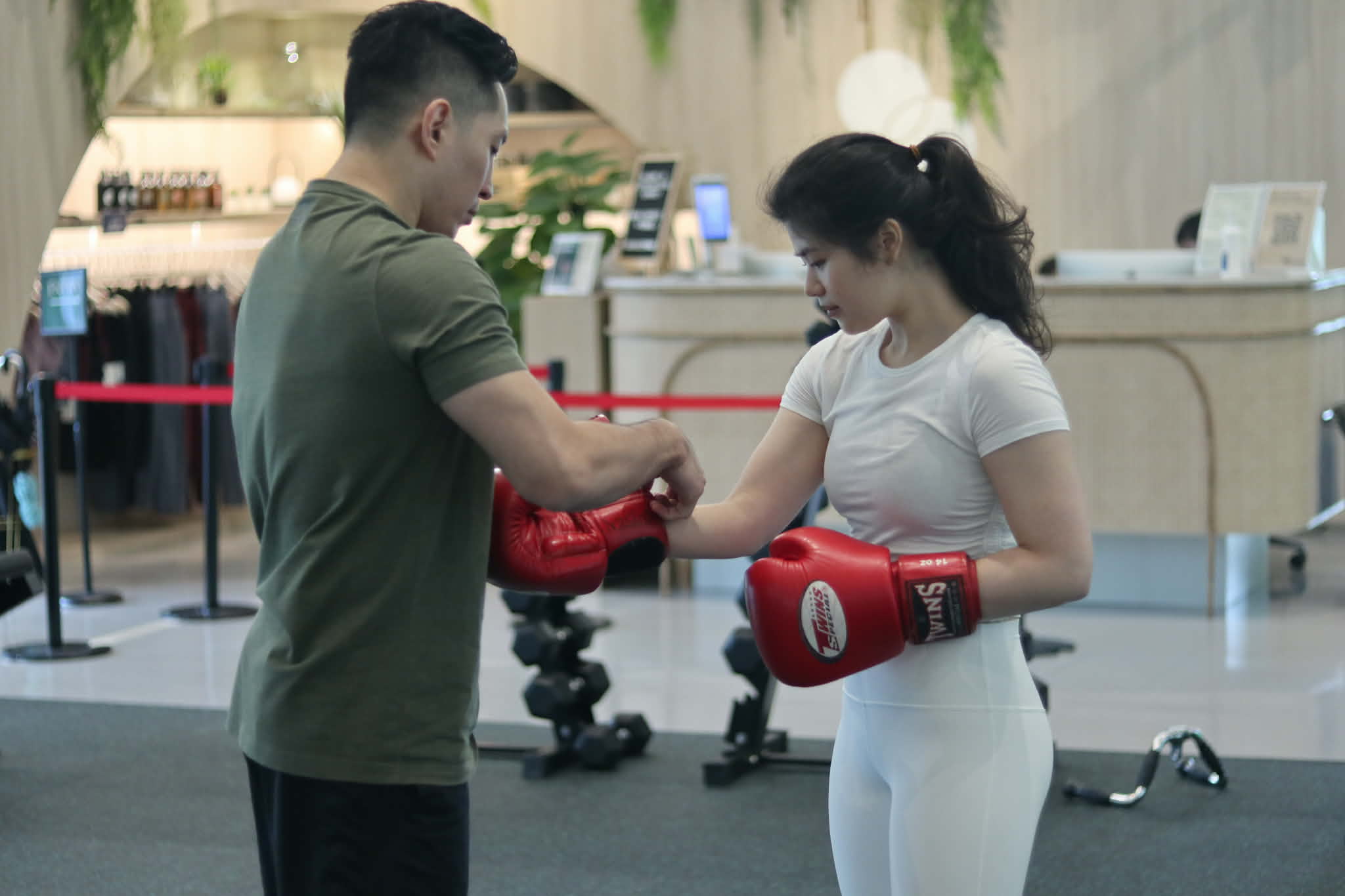
If you’ve ever walked into a gym in Singapore and felt lost, overwhelmed, or unsure where to start, you’re not alone. Many people join a gym with big goals – lose fat, build muscle, get stronger for Muay Thai, or prepare for a fight – but without proper guidance, progress stalls or injuries happen.
That’s where personal training comes in. Personal training isn’t just about counting reps; it’s about giving you a clear, safe, and results‑driven path to reach your goals, whether you’re a complete beginner or an experienced fighter.
What is personal training (and what it’s not)?
Personal training means working 1‑on‑1 with a qualified coach who:
- Designs a custom plan based on your goals, fitness level, and schedule
- Teaches proper technique to prevent injury and maximise results
- Keeps you accountable and motivated
- Adjusts your program as you progress
It’s not just someone shouting at you to do more burpees. A good personal trainer in Singapore is a coach, educator, and partner in your fitness journey.
Why personal training is especially powerful for combat athletes
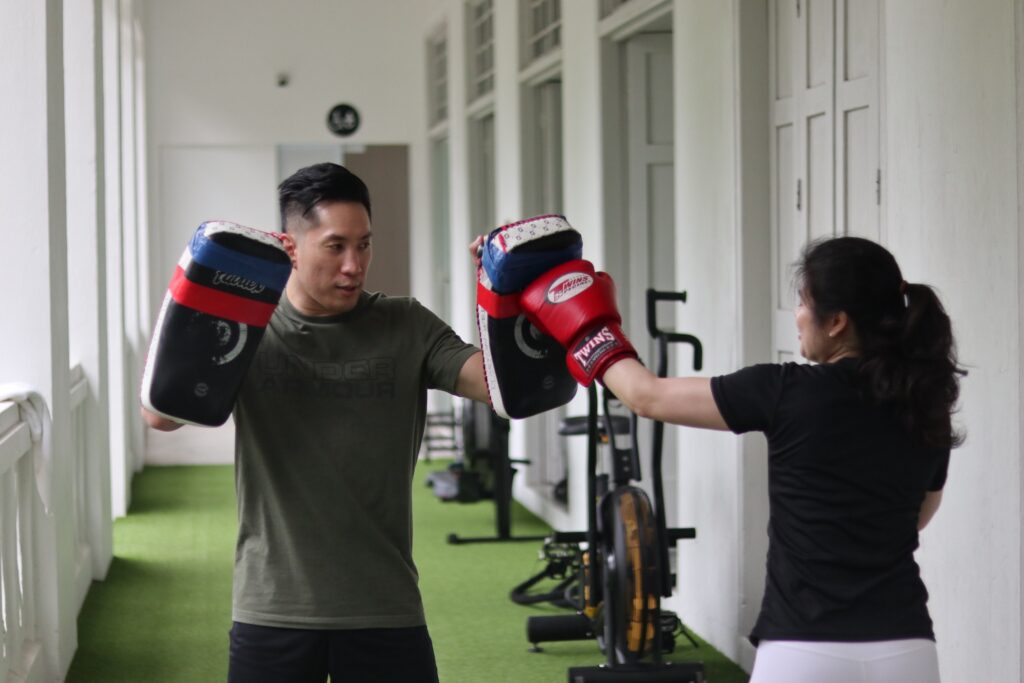
If you train boxing, Muay Thai, or MMA, personal training can be a game‑changer:
- Fix technique flaws
A coach can spot small mistakes in your stance, footwork, or punching mechanics that slow your progress or increase injury risk. - Build sport‑specific strength & conditioning
Instead of generic workouts, your program can focus on power, endurance, core stability, and injury prevention tailored to striking. - Prepare for fights or competitions
A trainer can structure your camp: strength phases, conditioning blocks, tapering, and recovery – all aligned with your fight date. - Recover from injury or come back after a break
A coach can guide a safe return, rebuild strength gradually, and prevent re‑injury.
Who benefits most from personal training in Singapore?
Personal training is ideal if you:
- Are a complete beginner and want to learn the basics safely
- Have a specific goal (lose 10 kg, build muscle, improve boxing performance, prepare for a fight)
- Have injuries, joint issues, or health conditions that need special attention
- Want to maximize results in minimal time (great for busy professionals)
- Are training for boxing/Muay Thai and want to get stronger, faster, and more explosive
Even if you already attend group classes, adding 1–2 personal sessions per week can dramatically speed up your progress.
How personal training with me works
Personal training is built around you:
- Initial consultation
We discuss your goals, fitness history, injuries, schedule, and preferences (e.g., more strength, more conditioning, skill‑focused). - Assessment
Simple tests to check mobility, strength, and movement patterns, so we can design the safest, most effective plan. - Custom program
A tailored plan that includes:- Strength & conditioning
- Boxing/Muay Thai‑specific drills (if applicable)
- Mobility and recovery work
- Regular sessions
We coach you through each session, correct technique, adjust intensity, and track progress. - Progress reviews
Every few weeks, we review your results and adjust the program to keep you moving forward.
How many sessions per week do you need?
This depends on your goals and budget:
- Beginners / general fitness: 1–2 sessions per week + group classes or home workouts
- Weight loss / body recomposition: 2–3 sessions per week for faster results
- Boxing/Muay Thai athletes: 2–4 sessions per week, depending on fight camp phase
Even one session per week with a good coach can make a huge difference in form, motivation, and long‑term progress.
How to choose the right coach in Singapore
Not all coaches are equal. When choosing a personal trainer for fitness or combat sports, look for:
- Relevant experience
Ideally, someone with experience in strength & conditioning for fighters or athletes, not just general fitness. - Good communication
They should explain exercises clearly, listen to your feedback, and adjust based on how you feel. - Focus on safety and technique
A trainer who prioritizes proper form over “just pushing harder” will keep you injury‑free. - Results‑oriented mindset
They should set clear goals, track progress, and adjust the plan as needed.
With my 19 years of background in Muay Thai, BJJ, Nogi, MMA, Strength & Conditioning, Movement & Mobility, being the first and only Singaporean ever fight in the UFC, I am passionate about helping clients achieve real, sustainable results.
Ready to try personal training in Singapore?
If you want to see how 1‑on‑1 coaching can help you reach your fitness or Muay Thai goals faster and safer, we’d love to help.
👉 Book a trial session here: https://www.roystonwee.com/private-coaching/
Have questions about packages, pricing, or whether personal training is right for you? DM me on Instagram Roystonweemma or Tiktok Roystonweemma, and I’ll be happy to chat!
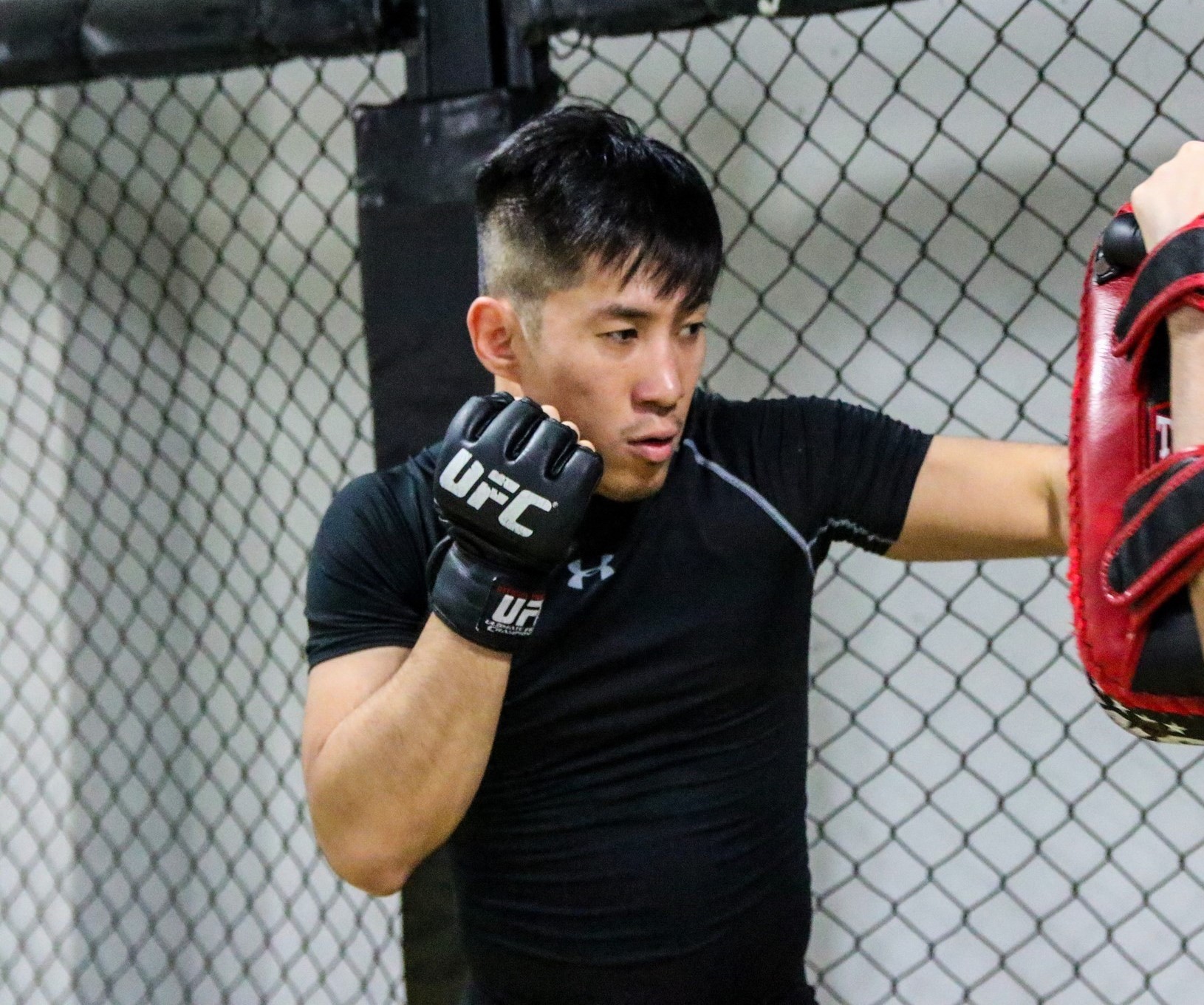
If you are interested in starting a fitness routine that never feels like a chore, you should seriously consider picking up martial arts.
Here are several reasons why you should consider signing up for martial arts classes and why martial arts is the perfect solution to your fitness woes.
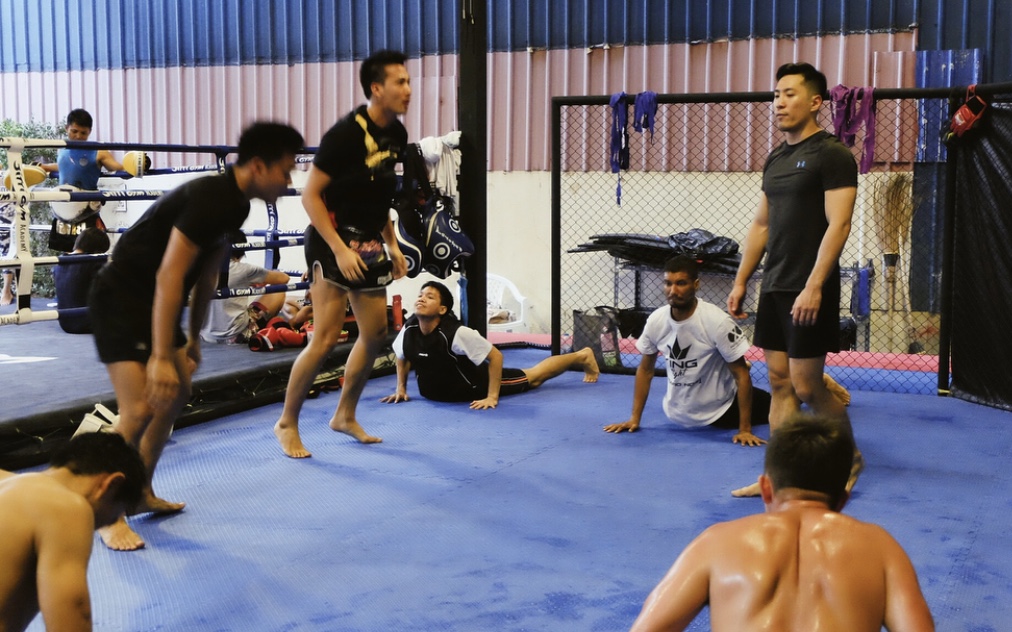
Ultimate cardio workout
If you are looking to lose weight, get leaner and fitter, martial arts training gets you there faster than conventional workouts. Training involves every single part of your muscle in your body and your core in particular gets a rigorous workout every time you train. You would have burned 1,000 calories for every hour you spent training in a class!
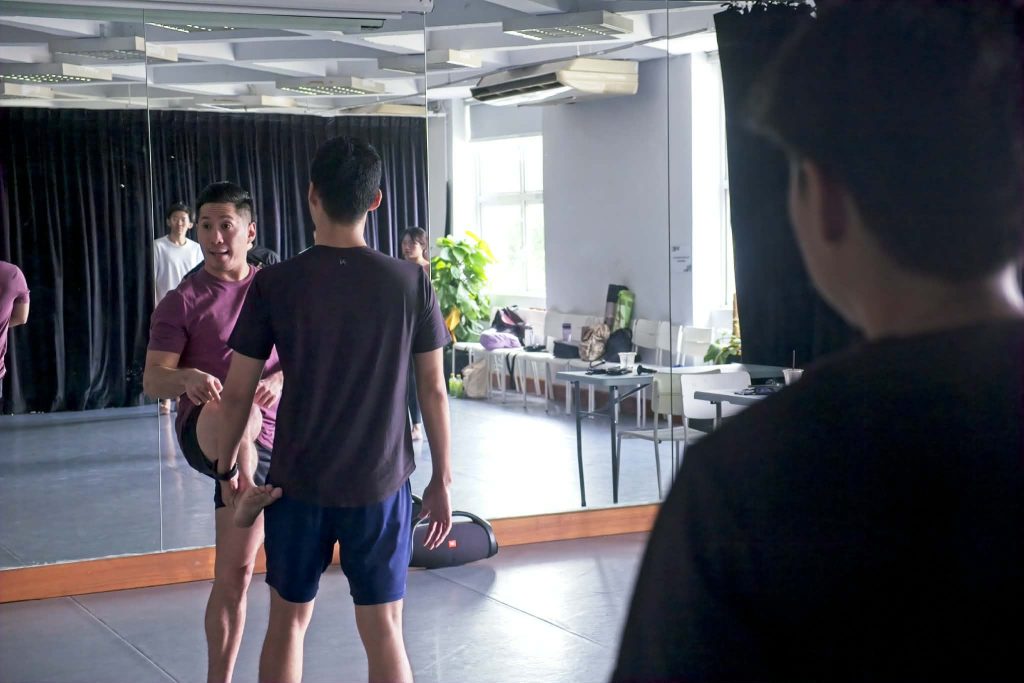
Learn effective and practical self-defense
Martial arts used in combat sports focuses on effective striking, clinching, takedown and grappling techniques. Students are able to practice proper techniques in a controlled manner. This helps to improve great reactions and reflexes over a period of time. Some of the best fighters in Muay Thai and MMA history like George St Pierre and Saenchai are proof of how effective martial arts used in combat sports are.
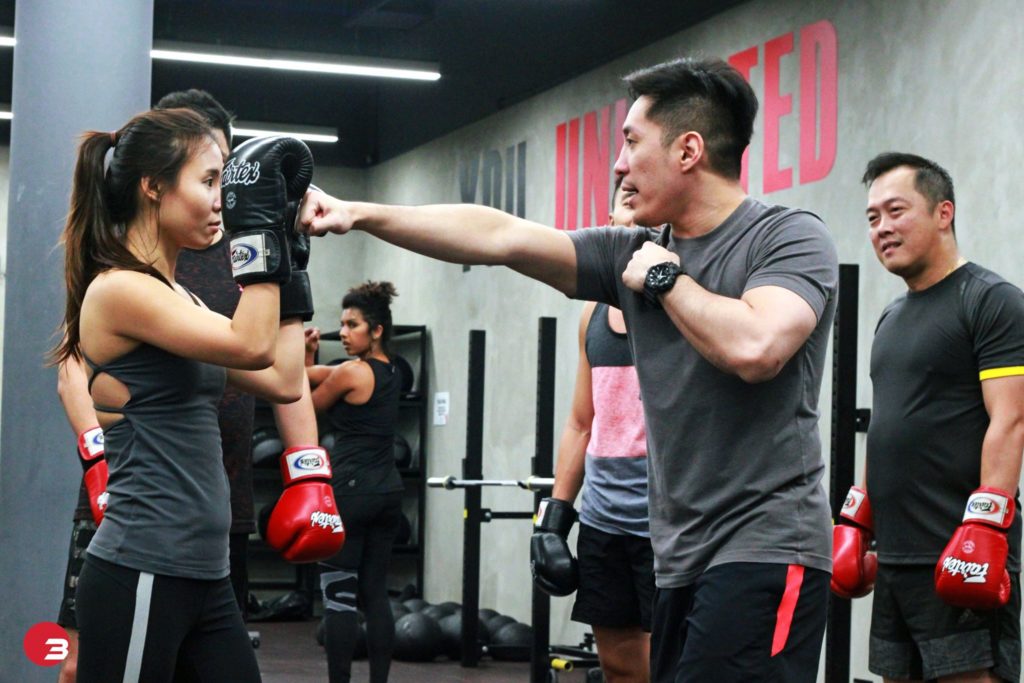
Classes get more interesting through progression
When it comes to martial arts training like Muay Thai, there are literally thousands of Muay Thai techniques. Students are constantly learning new techniques along the way! This keeps things interesting as you will always look forward to learning new things.
Students will be shown a few techniques which they will drill over and over during class. Constant repetition carries conviction. This allows you to have a solid understanding of the technique while not being overwhelmed with too many techniques.

Improve physical and mental health
Martial arts is a good channel that allows you to vent your frustration in a positive manner and reduces your stress levels. You’ll get to punch, kick, knee, elbow all your stress away in a safe and controlled environment.
Practising martial arts can help you master your mind and body. Studies have shown how martial arts tremendously reduces stress, improves emotional stability, increases confidence and develops mental strength. Your body will release a healthy amount of endorphins that help you feel stronger, fitter and healthier each and every day! Healthy mind, healthy body.
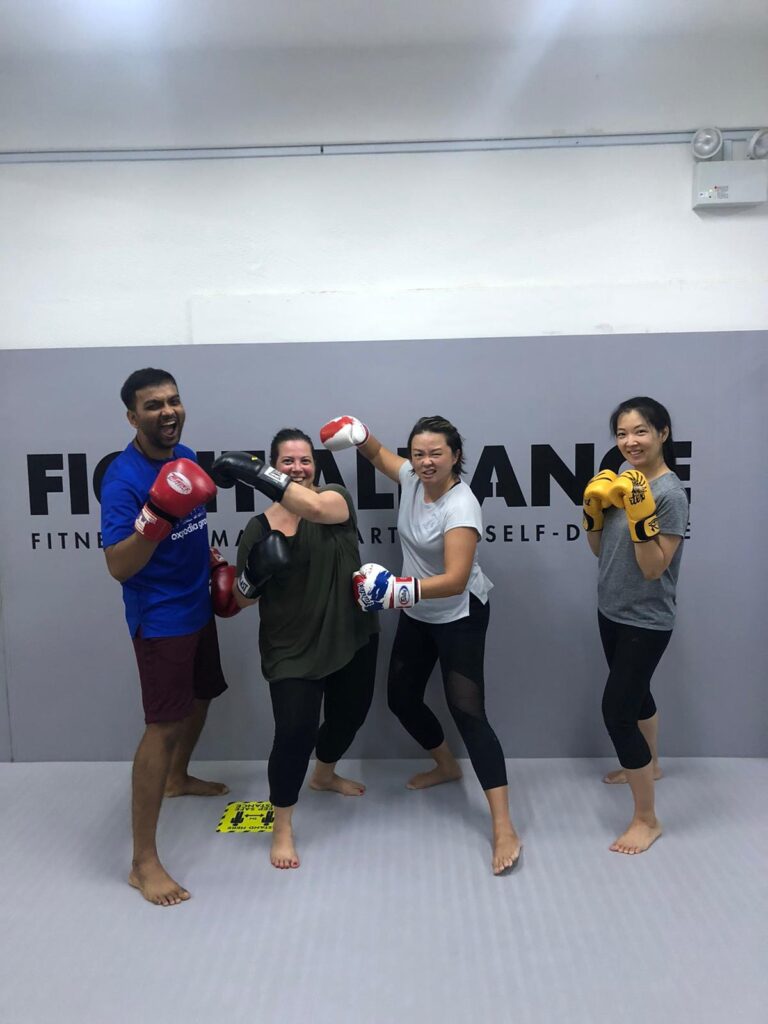
Meet new friends
You will meet people from all walks of life when you train martial arts. Due to the highly interactive nature of training, students get to bond during classes. Many of these people eventually become lifelong friends. There will be many days to come where you will be eager to catch up with your training partners as you are to train.
Train at your own pace
Depending on your experience and fitness level, you should always train progressively to prevent burnout. Training is not always about high intensity. Martial arts teaches us to be more mindful of our bodies. There are times to go hard, and there are times to go light. Consistency is more important in the long run, martial arts is a lifelong journey.
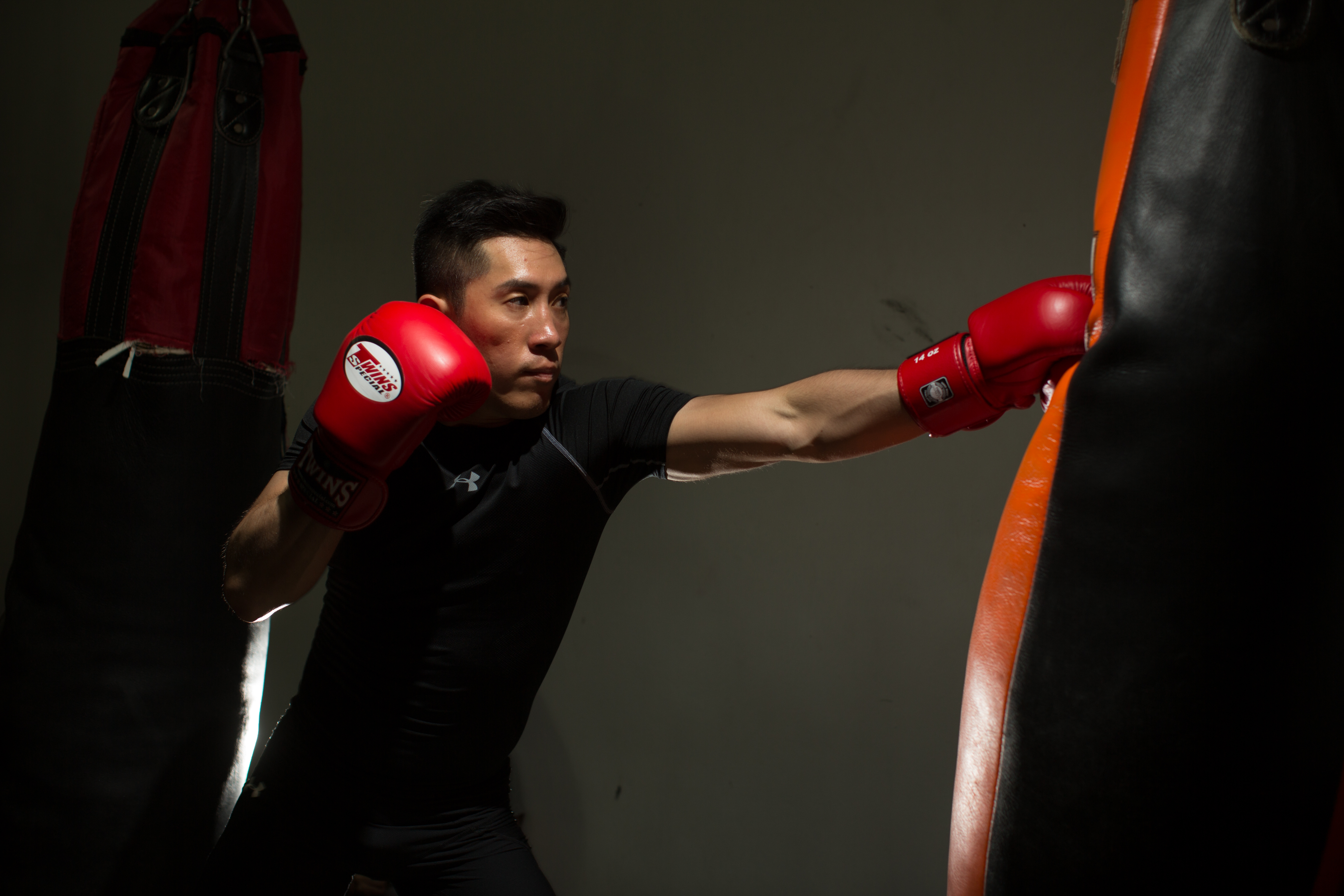
A punching/kicking bag is one of the most common equipment you will probably find in every gym or at the comfort of your home around the world, one of the best training aids that are most underutilized by many simply not knowing what to do and how to use the bag to benefit the most from it.
As straightforward as it may seem, I have seen many used the bag as part of training, they would proceed to smash the bag and go all sorts of crazy on it. I have to admit I was one of them during my first few years of training. The perception of having a good workout, going all power and speed, smashing combos for 10 rounds of 3 minutes makes you feel strong and good. Don’t get me wrong, this is incredibly great for cardio, explosive power and endurance work out, but it benefits little to none in acquiring and refining better techniques required for sparring and fights.
After years of training and meeting professionals from everywhere, what changed my method of training while using the bag was when I got some sessions down training Muay Thai in Thailand. As usual, I did my rounds of pad work for around 30 minutes, and then proceeded with a few rounds of sparring and clinching, followed by three to four rounds on the bag. After training, I would stretch and sit around the gym, to watch the Thais used the bags to see what they did.
Many of them were looking loose, relaxed and calm, yet able to strike viciously when they attacked. Some would just work on their basic strikes to generate more flow more power, while others would work on a particular technique for 30 minutes trying to perfect it, making sure the flow of the movement is beautiful yet lethal.
This lethally beautiful movement is exactly the same as what my movement training over the past six years has taught me about. A good mover is able to chain a series of movement into a state of flow efficiently and effectively. Like I always tell my students and fighters, it is like playing and listening to a song, good flowy music from the start till the end. Imagine someone hitting the pause/play button to the song you are listening every few seconds, it would be very disruptive and unpleasant it becomes noise. This applies to striking, grappling and basically any form of training.
Those experiences helped me relooked into my method of training on how to stay relax and compose not only during training on the bag but in shadowboxing, pad work, sparring (which I talked about on my previous articles), and grappling.
As on my article on ‘The art of Shadowboxing’, I talked about me gathering experiences and information from different coaches and fighters that I have interacted with, and put into practice creating my style. By visualizing, flowing and feeling the techniques and movements on my own to make it look beautiful and natural. And the only me-time you can get is when you are shadowboxing and doing bag work.
Next time when you are on the bag, learn to visualize fighting with someone and treat the bag as a person, try to envision how you would execute your attacks, defences, counters and fakes in a timely, beautiful and lethal fashion rather than just smashing the bag aimlessly rounds after rounds.
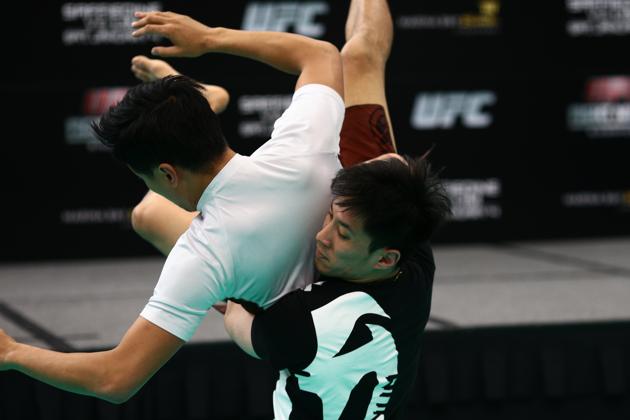
If you are training in combat sports or any form of fighting art, sparring is essential for competition, self-improvement or even self-defence. Through sparring, you will be able to practice what you have been learning and put it to “live” against someone who has the same intent as you. Sparring is a time for you to learn your strength and weakness, your mistakes, and hone your skills to the next level.
One of the biggest mistake people think about sparring that it has to be like a real fight going at 100%. You get people trying to knock each other out and end up hurting each other.
It gives a false sense of security that you are a badass. By sparring hard all the time, you are more likely to sustain injuries (including head trauma, which will be a topic for next time) that could hinder your training sessions ahead, and through accumulation will impact your progression level.
Chances are, by going hard, your partner will end up trying to either survive the rounds with you or straight on brawl throughout the rounds, making you think that you are tough and invincible. You could potentially injure your partners and end up with no one healthy enough to spar with you. And since not everyone is paid to spar with you, you will end up having friends and teammates simply not wanting to spar with you.
On the other hand, going at about 30-60% allows your partner and yourself more room for play. Even if either one got caught with a good shot, you can analyze and learn from the mistake and work on it rather than being afraid of getting knocked out throughout the rounds.
The chances of your partner and yourself getting injured are much lower, and you are more likely to be able to get more rounds in. Consistency is key. By being healthy and able to train consistently, you will be able to spar more often on a frequent or daily basis, which allows you to clock more time in sparring, as compared to hard sparring. It is almost impossible to spar hard every day considering the fact that you are more likely to sustain injuries and head trauma.
Technical sparring also allows you to try new things that you have learnt, not having to worry if you will get knocked out by making a slight mistake. This is very important as it allows room for growth, rather than always being in your comfort zone or scared to execute a technique. The idea is to improve your skills in “live” sparring, the only way to do that is to practice and try.
Being top in sparring isn’t necessarily a good thing. Often I like to put myself in situations where I am only allowed to work on a certain technique. For example, I may only use mid to long range techniques such as jabs, cross and right body kicks for the first round. And work on mid to close range techniques by working on forward pressure, clinch and knees for the whole of the second round. I might want to focus on working on my takedown defence, fighting off my back and create angles for submissions in the third round if I am doing MMA sparring. And even though I might get knocked off my game throughout the rounds, I will continue adapting and work with what I planned to do without allowing ego to take over and go back to my comfort zone.
Many times I see guys simply just shut down while sparring because of a minor injury that can be dealt with. Working around an injury is also a way for me to focus on using what weapons and techniques I am left with to use. For example, I might have hurt my right foot during initial kicks, I will need to reevaluate my gameplan and use more left kicks and knees instead. Because you never know in a real fight, you might have to deal with a broken hand, a sprained ankle or even a banged up thigh from leg kicks. Allowing yourself to shut down from minor injuries in sparring closes your ability to think and work new strategies during rounds, which in turns, is a game finisher in a real fight.
Of course, when fighters prepare for fights, a little hard sparring is needed to get used to taking a certain level of impact and intensity, but never more than 80% in my opinion. Leave it for the real fight. There is no big deal being the king of the gym, because the level for growth is too slow, if not, declining. Always seek to train and spar with people better or same level as you. Not too high of a level that you cannot keep up, not too low of a level you end up able to do whatever you want, making you think you are invincible.
A good sparring is when everyone sits down after a session and ask questions, discuss techniques and give constructive feedback, rather than having guys limping around, with bloody noses, and a migraine.